
Older garage doors are typically not up to modern safety codes. Your door may not have sensors, auto-reverse, or pinch protection. Today’s standards, developed by safety organizations, call for photo-eye sensors near the floor, heavy-duty springs, and a safe manual release method. Many pre-late 1990s doors lack these updates, resulting in an increased chance of injury or property damage. If your garage door is worn or doesn’t close easily, the hardware may not meet the requirements in today’s safety inspections. Verifying your door’s label or consulting a professional goes a long way in determining where your installation stands. In part two, you’ll discover what to look for and how upgrades can help keep your home safer and up to code.
Key Takeaways
- Garage doors need to meet modern safety codes. This means they require photo-eye sensors, reversal mechanisms, and rolling code technology.
- Performing regular safety tests and maintenance, like reversal and sensor tests, helps you keep your garage door system safe and operational.
- Old garage door technology can leave you vulnerable to safety concerns, security concerns, insurance issues, and legal liabilities.
- How can you tell if your older garage doors are still compliant with modern safety codes?
- Retrofitting or replacing your garage door system is a smart investment in your home that provides long-term safety, convenience, and security benefits in addition to the potential to increase your property’s value.
- Retrofit to a compliant, modern garage door that can offer you peace of mind and safeguard your home and family against preventable danger.

The Modern Safety Standard
Modern garage door safety codes are designed to protect individuals and property. If you’re using an older garage door, here’s what you should be aware of regarding how the standards have changed. Essential safety rules now include:
- Auto-reverse is required for all openers made after 1993.
- Photo-eye sensors are to be installed no more than 15 centimeters above the floor.
- Manual release features are required for emergency use.
- Rolling code technology to prevent code theft.
- Regular inspection, including a 13-point checklist: door clearances, hardware, labeling, and certification.
- Meets requirements for air leakage and smoke control standards as specified in UL 1784.
- Monthly visual and quarterly closing and latch tests.
1. Reversal Mechanisms
Reversal mechanisms are designed to stop a closing door from pinching. When something obstructs the path, it causes the door to reverse and go back up. This is now legally enforced in many countries and is especially mandated for post-1993 models. There are two main types: mechanical (pressure-based) and electronic (sensor-triggered). Both will stop the door if something is in the way. Such mechanisms helped reduce injuries and damage. If your opener lacks one or does not function well, it is time to upgrade.
2. Photo-Eye Sensors
Photo-eye sensors shoot a beam across the bottom of your garage door. If anything breaks the beam as the door moves, it stops and reverses. They must be mounted within 15 cm of the floor on both sides. Some good sensors work in rain, sun, or dust. Dirt or misalignment from being bumped can cause them to fail, so inspect and clean them regularly. Test by shutting a door and waving a stick through the beam. The door should immediately reverse.
3. Manual Release
For example, a manual release allows you to open or close the door by hand in the event of a power outage or emergency. To activate it, simply pull the red handle or cord, which generally dangles down from the opener rail. It has to be accessible and operate without hassle. If your manual release is stuck, broken, or hard to grab, have it checked. A working manual release is essential for fire safety, according to the National Fire Protection Association.
4. Force Settings
Force settings determine the amount of power your opener employs to displace the door. If too high, the door won’t stop at obstructions, which is dangerous. If too low, the door won’t shut all the way. Test the settings by closing the door on a block of wood. The door should stop and reverse. Twist with care, or consult a pro. Frequent inspections ensure your system is secure and compliant.
5. Rolling Codes
Rolling codes rotate every time you use your remote, which makes it significantly more difficult for someone to clone your access code. This tech helps block code-grabbing thieves. Nearly all modern openers use rolling codes, but some older ones do not. If you are not sure, consult your opener’s manual or a technician. Updating firmware and switching out old remotes can enhance your security even higher. Rolling codes go a long way to keeping your garage safe from intrusion.
Risks of an Outdated System
An older garage door system can place you and those around you at risk physically and from a liability standpoint. If your garage door is more than 15 years old, its springs and gears are probably stretched and worn, meaning it’s no longer dependable and is prone to breakage. These mechanical failures can lead to injuries, property damage, and even affect your insurance and legal status as a homeowner.
Entrapment Dangers
Garage doors are pre-1993 models without auto-reverse sensors or infrared safety beams. These features are required by law in many jurisdictions. The lack of these features allows the door to shut on an individual, animal, or item. The U.S. Consumer Product Safety Commission sees thousands of garage door entrapment injuries every year. Many of these accidents involve children and pets, who tend to be more oblivious to the danger. If you still have an older system, you should watch that door frequently, pull that manual release to test it, and make sure your family knows how to safely use the garage door. Simple routines, such as never passing under a moving door and keeping remotes away from children, can reduce the danger.
Security Vulnerabilities
Vulnerability | Common in Older Openers | Upgrade Option |
Fixed code remotes | Yes | Rolling code remotes |
Lack of encryption | Yes | Encrypted smart openers |
Weak physical locks | Yes | Reinforced lock systems |
No monitoring or alerts | Yes | Mobile app notifications |
Older garage door openers use fixed codes and have no encryption, which makes them low-hanging fruit for crooks with code grabbers. Aging components and fragile latches contribute to the danger. Going smart with rolling codes and mobile alerts helps. It aids in checking for tampering or worn components and installing additional locks or sensors to enhance security.
Insurance Implications
- Review your insurance policy for garage door safety requirements.
- Schedule regular inspections and keep proof of maintenance.
- Ask your insurer about discounts for compliant upgrades.
- Document all repairs and replacements.
Having an older garage door could increase your insurance premiums or even deny a claim following an incident. Insurers will often give you a discount for having safety upgrades on your system, but they will refuse to pay for accidents caused by your outdated or non-compliant equipment.
Legal Liability
Maintaining a non-compliant garage door puts you at legal risk. Here in California, as everywhere, building codes require specific safety features. If your door doesn’t comply with these regulations, you could be fined, have issues selling your home, or be responsible following a mishap. Consult your local safety codes to determine your requirements. Talking to an attorney keeps you on the ball and prevents expensive snafus.
How to Assess Your Opener
Here’s how to check your garage door opener, a crucial step to making sure your system is safe and up to code. Older garage doors might not have the capabilities mandated by newer safety standards, such as UL 325 or recent federal regulations. Begin by evaluating fundamental security elements and checking components. Then record your results so you understand what requires repair or updating. Have your opener checked regularly and inspected by a professional. They can detect potential problems you may not recognize.
The Reversal Test
The reversal test tests whether your garage door stops and reverses once it hits something. Put something heavy, like a piece of wood or a paper towel roll, on the floor at the door’s latch point. Click that x. When the door comes into contact with the object, it should back up within 2 seconds. If the door doesn’t reverse or pause, your system may be non-compliant and dangerous.
Repeat the test once every few months to keep your opener’s response time sharp. If it doesn’t work, look for worn-out gears, a bad wire, or old safety circuits. Newer openers feature advanced sensors and tighter reversal timing, so if yours is over a decade old, you could be lacking critical safety enhancements.
The Sensor Test
Photo-eye sensors rest roughly 15cm high from the ground on either side of your door. They seek obstacles and halt the door if anything intersects the path. To test them, open the door, hit the close button, and wave a broomstick in front of one sensor. The door needs to stop and go back immediately. If not, you should look for dirt on the lens, loose wires, or misalignment.
Remember to have both sensors face each other. Even a slight jolt can jar them out of alignment, resulting in phantom alerts or dropped targets. Test your sensors once a month and after storms or heavy cleaning. Routine inspections protect pets, children, and property.
The Balance Test
A fair door swings with little effort. Pull the release cord to disconnect the opener, then lift the door halfway by hand. Let go. If the door hangs, the equilibrium is excellent. If it drops or shoots upwards, springs or cables could be frayed or loose.
Search for jerky motion or grinding noises, which indicate problems with tracks or rollers. If you notice these symptoms, give a technician a ring. Adjusting springs by yourself can be dangerous.
What professional inspections once or twice a year are really great for is catching those hidden gremlins, like small frays in cables, worn tracks, or loose bolts, that you might overlook but can cause huge breakdowns down the road. Keep track every time you inspect or fix the door. This tracks safety and prevents you from missing a step or beating your head against the same issue again.
Retrofit or Replace?
Modern garage door safety codes aim to minimize potential injuries and increase security. If your system is older, you’re probably asking if a retrofit or replacement is the best fit. Both have distinct advantages and disadvantages, and the right decision for you will depend on your door’s age, size, and condition, as well as your budget and long-term aspirations.
When to Retrofit
Retrofitting can work out nicely if your door is healthy and not too ancient. For instance, steel or wooden doors in good condition that have no sensors or auto-reverse mechanisms can benefit from retrofitting. With safety sensors, stronger locks, or pinch-resistant panels, retrofitting older doors brings them closer to compliance. This option costs much less than a complete replacement because you only pay for the improvements and installation, not the entire door. It helps keep waste out of landfills and allows you to maintain your home’s original style.
Whether to retrofit or replace. Not every door can be retrofitted. Certain older doors won’t accommodate new safety hardware, and in some cases, the weight or construction of the door renders upgrades impossible. Retrofitting increases safety, but it may not encompass all contemporary needs, particularly where local codes are stringent. Always schedule a professional inspection to confirm whether retrofitting will actually get your door code compliant.
When to Replace
If your garage door is warped, rusted, or constructed using outdated materials, a full replacement might be in order. All very old doors, particularly those over 20 years old, typically don’t have the structure to accept new safety devices. You should replace it if the door’s weight or size makes it unsafe, or if it can’t be upgraded to code. New doors are standard with auto-reverse sensors, better insulation, and advanced locking systems. That way, you enjoy peace of mind and a property value jump. Going online and looking at the latest models gives you a good idea of what’s out there that combines both safety and style.
Cost-Benefit Analysis
Factor | Retrofit | Replacement |
Upfront Cost | Lower | Higher |
Compatibility | May be limited | Guaranteed |
Insurance Savings | Moderate | High |
Property Value | Maintained | Increased |
Environmental Impact | Low waste | Higher waste |
Long-Term Maintenance | Depends on age | Low |
Safety Compliance | Improved, not always full | Fully compliant |
Savings from a new system can come in the form of lower insurance premiums and higher resale value. New tech leads to fewer repairs and a lower chance of crashes. If you retrofit, budget for hardware and labor. If you replace, expect a larger upfront expense with more savings down the road.
Why Upgrading Is a Smart Move
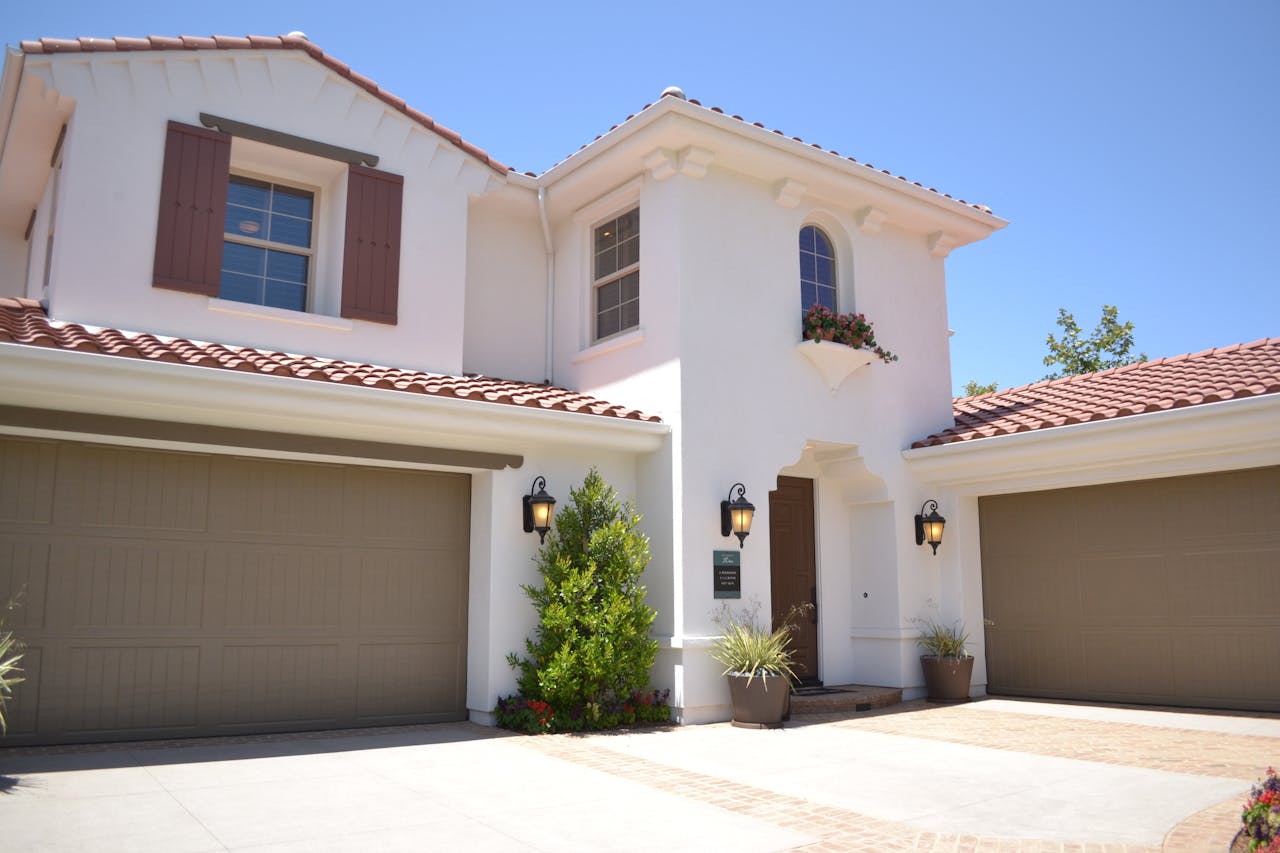
Contemporary garage doors don’t just keep out the elements. Upgrading gets your home brought up to date with current safety codes, makes your house more attractive, and adds genuine convenience to your life. They’re designed to fall apart less, are more well-insulated, and can literally save your family.
Enhanced Safety
New garage doors have sensors that halt the door if something is in the way. If you have kids or pets, this gives you peace of mind. A lot of older doors, particularly those heavy wood one-piece varieties, can weigh over 180 kilograms and do not have these safety stops, which can result in serious injury. New doors are lighter and easier to use, even without an automatic opener.
Integrated safety elements, such as auto-reverse and pinch protection, minimize accident risk. These features comply with rigorous international safety standards that legacy systems simply don’t live up to. Upgrading ensures your door isn’t going to blow open, keeping you code compliant and off the hook for expensive replacements or insurance dilemmas.
A door that meets contemporary safety standards isn’t just about compliance. It makes you feel like you’re smart because you know your family is safer every time you use the garage. Periodic inspection and prompt upgrades are essential to maintaining the functionality of these safety features.
Improved Security
New garage door openers utilize rolling code technology, which changes the code every time you open the door. This makes it difficult for somebody to hijack your code and get in. Smart openers allow you to verify or shut your garage from your phone, so you stress less about leaving it open.
Pairing a quality security camera or motion light with your new door ensures that your home becomes an even harder target. Older systems might have flimsy locks or can be pried open. Upgrading is a smart move because it protects your family and your property.
Modern Convenience
Smart garage doors allow you to open or close your garage from anywhere with your phone. It’s convenient when you’d like to let deliveries in or verify you didn’t leave the door open. Automatic openers save you time and make your life flow more easily.
Modern doors have improved insulation, keeping your garage more comfortable and energy bills lower. Lighter, sectional doors are simpler for everyone to operate and require less maintenance.
Increased Home Value
A new garage door can really make your home pop from the street. Value your property with good looks and modern safety. Upgrading is a smart move. Buyers want homes with modern, efficient systems.
New, well-insulated, smart tech-equipped doors can help increase your resale value. Being up to code with safety keeps your home’s value stable if you intend to sell. Selecting a good quality, conforming garage door is a wise investment.
The Professional Inspection Process
Professional garage door inspection is the best way to actually confirm if your older garage door is up to current safety codes. A professional inspection follows a regimented process and includes everything from mechanical components to safety features. Inspections aren’t a ‘once and done’ activity; for regularly used doors, monthly, quarterly, and annual inspections will help to identify and rectify problems in their infancy. Valid records, signed by a licensed technician, assist in demonstrating continuous compliance and can be vital if you ever need to prove your maintenance history.
What We Check
- Inspectors examine all the major components — springs, cables, rollers, tracks, hinges, and panels. They inspect for wear, rust, cracks, or fraying that might compromise your door. Even minor issues, such as light spring fatigue or track misalignment, may turn into major headaches if overlooked.
- Safety features are paramount. The professional inspection covers auto-reverse sensors, emergency release handles, and manual locking systems. Our technicians cycle the door open and close, verifying that the auto-closing, latching, and smoke seals operate to meet UL or other standards.
- Some inspectors use smart tools, such as IoT-enabled systems, to monitor door performance. These systems can alert you when parts require maintenance or when there is a safety function failure. This tech helps you identify problems before they wreak havoc.
- Each check is documented. They complete and sign reports specifying what was tested and detected. Maintaining this documentation is key to repair tracking and demonstrating compliance in the event you ever need to prove your door’s safety.
What We Recommend
When he’s done, you get a punch list. If parts are worn or don’t meet current codes, it is recommended to repair or upgrade them. Sometimes, upgrading to new openers with improved safety technology is the way to go.
So heed these professional pointers to prevent mishaps and remain in line. Delaying can result in more serious issues or injuries. Fast upgrades if necessary. You can inquire about new features, such as silent openers or systems that notify your phone, to increase safety and convenience.
Conclusion
Older garage doors often fail to meet today’s safety codes. Some don’t even have sensors or auto-reverse technology that can prevent actual injury. Easy inspections can find vulnerabilities quickly. Today’s new openers provide more than peace of mind; they help keep your home safe for kids, pets, and visitors. Upgrades mean quiet moves and quick open-close times. A professional can inspect your setup and demonstrate solutions that fit your space. Many people get actual benefits from a replacement or intelligent retrofit. If you’re curious about whether your door meets current safety standards, consult with a local professional to determine what suits you best. Your safety and convenience count.
Frequently Asked Questions
1. Are older garage doors automatically non-compliant with modern safety codes?
Well, not all older garage doors are non-compliant. A lot of them don’t have important safety features that are now required. Your older garage doors may not meet today’s safety codes, so compare yours against current standards.
2. What are the main safety features required in modern garage doors?
Auto-reverse systems, photoelectric sensors, and manual release mechanisms are now mandated by safety codes. These features protect children and pets from getting hurt by halting or reversing the door should anything get caught beneath it.
3. How can I tell if my garage door opener meets current safety codes?
Check for safety sensors low on both sides of the door. Verify that the auto-reverse feature still works. If your opener predates 1993, it probably needs an upgrade to satisfy codes.
4. What are the risks of keeping an outdated garage door system?
Old systems pose a greater risk of injury, property damage, and unwanted entry. They might not pass safety inspections and leave your home less safe.
5. Is it better to retrofit my old garage door or replace it?
It’s really based on your door’s age and condition. If the door is in good condition, it can be retrofitted. Replacement is best for very old or damaged doors, to be sure.
6. Will upgrading my garage door improve my home’s value?
Yes, updating is safer and more secure, which can add to your home’s value. Newer doors are more energy efficient and appealing to buyers, too.
7. Why should I have a professional inspect my garage door?
A pro can identify hazards you may overlook. They help bring your system up to code and suggest optimal solutions for safety and code compliance.
Transform Your Home With Garage Door Safety Standards and Code-Compliant Protection
A safe garage door protects your family, your property, and your peace of mind. It’s more than a moving panel. It’s a system that needs to meet strict safety requirements, respond correctly in emergencies, and stay reliable day after day.
Bay Area Doors has spent more than 20 years helping homeowners across the San Francisco Bay Area stay compliant with the latest garage door safety standards. We install and service doors that follow California’s required safety features, including photo-eye sensors, auto-reverse systems, proper force settings, and updated opener technology that meets federal guidelines.
We guide you through everything you need to keep your garage door code compliant. That includes evaluating older systems, checking for outdated parts, upgrading to modern safety components, and confirming that your door meets current regulations for homes, rentals, and HOA communities.
Our technicians handle the work with care and clarity. You get honest guidance, transparent recommendations, and installation backed by our workmanship guarantee. Thousands of Bay Area homeowners trust Bay Area Doors for safe, compliant, and reliable garage door systems.
If you want a garage door that protects your home and meets today’s safety requirements, contact Bay Area Doors. We’ll make sure your system is compliant and operating the way it should.
Disclaimer:
This article is for informational purposes only and is not a substitute for professional advice. While we strive to provide accurate and up-to-date information regarding garage door auto-reverse safety features, homeowners should always follow manufacturer instructions, local building codes, and safety regulations. Do not attempt repairs or adjustments that you are not qualified to perform. For maintenance, inspection, or repair of garage door systems, always consult a licensed and trained technician. The author and publisher are not responsible for any injury, property damage, or legal consequences resulting from the use of the information provided.
