
Regular maintenance helps keep your garage door safe and compliant with most safety standards. By staying on top of easy inspections such as testing the auto-reverse function, tightening hardware, and monitoring wear, you reduce the risk of unexpected failures or accidents. Many local codes require functional sensors and proper balance, so keeping up with inspections makes adhering to those codes simpler. For the majority of residences, a properly maintained door translates into reduced noise, more even operation, and fewer major repairs down the road. If you use your garage door daily, small measures like these assist with maintaining it as a secure point of access to your home. The following sections provide straightforward action steps that fit into a hectic schedule.
Key Takeaways
- Can regular maintenance help keep my garage door compliant and safe?
- Maintaining moving parts with regular inspection and lubrication minimizes wear, avoids sudden malfunctions, and keeps your garage door running smoothly.
- Checking safety features like sensors and auto-reverse capabilities keeps your system up to code and protects users against hazards.
- Maintaining records of this maintenance and adherence to local regulations further supports any warranty claims and shows that you are a responsible owner.
- Putting your money toward newer features such as smart openers, rolling codes, and battery backups increases the security of your garage door and its safety as well.
- For complicated fixes or dealing with dangerous parts, it’s safest to leave it to professional garage door repairmen — not DIYers.
How Maintenance Ensures Safety
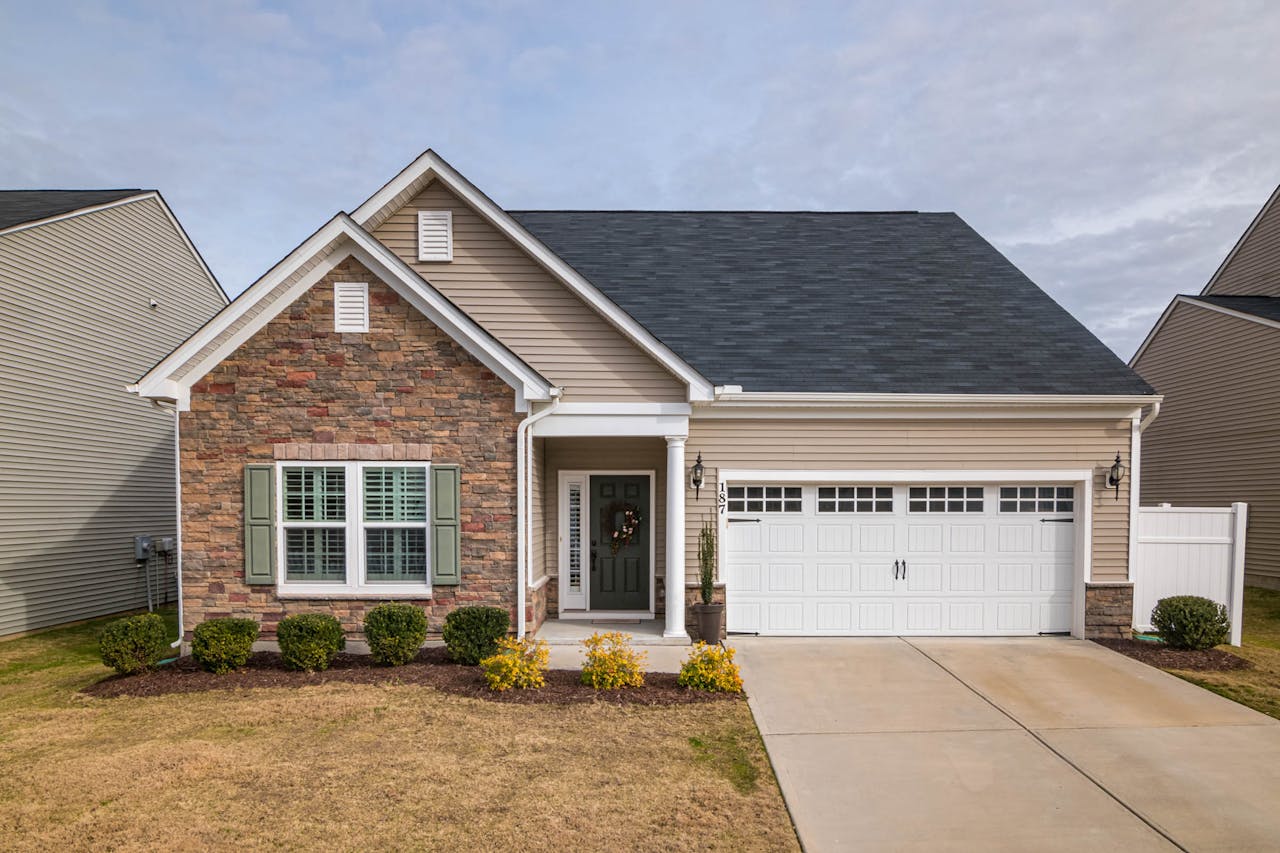
Maintaining your garage doors to ensure safety and compliance isn’t just regulatory—it’s crucial for preventing dangerous conditions. A solid maintenance routine reduces the risk of failures and costly garage door repairs by catching issues early, ensuring essential practices are operational, and enhancing security against potential intruders.
Maintenance Action | Effect on Safety | Why It Matters |
Monthly Inspections | Finds early signs of wear or damage | Stops issues before they cause harm |
Lubrication | Cuts friction, stops stuck parts | Prevents sudden failures |
Testing Safety Mechanisms | Checks if sensors and auto-reverse work | Protects people and property |
Replacing Worn Parts | Keeps the door running smoothly and safely | Avoids dangerous breakdowns |
Checking Compliance | Matches door to local codes | Prevents fines and legal trouble |
1. Prevents Mechanical Failures
Early problem spotting is what counts. A monthly maintenance check allows you to identify things like frayed cables, loose screws, or worn rollers before they become large, expensive problems. Little things like sticky tracks or noisy hinges typically indicate problems that are simple to repair if you’re quick.
A bit of oil on tracks, rollers, and hinges every three months reduces wear. It prevents components from grinding and seizing. If you get behind, friction generates, and things fall apart. Changing out old springs, cables, or openers the moment you see wear maintains the door’s momentum and keeps everyone safe. By testing the opener’s remote and wall button, we make sure it works when you need it.
2. Verifies Safety Mechanisms
Your safety sensors should detect anything in the door’s path. Test them every month by rolling a ball through as the door shuts. If the door doesn’t stop or reverse, the sensors require cleaning or repair. Emergency release handles require a pull test so you know they’ll function if power fails.
Auto-reverse systems are another must-check. Put a soft block in the door’s way. The door must reverse immediately. If not, repair or replace the feature. Record these tests. It assists in proving you’re in compliance and logs when repairs are made.
3. Maintains Structural Integrity
Door panels receive daily blows from the weather and dings. Cracks or dents compromise them, so inspect them for harm regularly. A cracked panel isn’t just ugly; it can break.
Seals keep out rain and dirt. If you notice voids, replace the old weatherstripping. Rust on tracks or hinges creeps quickly in wet climates. Wash and oil them at the slightest indication. To test the door’s balance, lift it halfway. If it slips or feels heavy, the springs might be out, and that is a repair you don’t want to delay.
4. Ensures Code Compliance
Knowing your local building codes is a must, not just a good idea. A lot of locations have specifications on spring varieties, opener horsepower, or security gadgets. These vary, so verify them each year.
Have a pro check your door every year. They’ll catch code holes you could overlook. Maintain all receipts and a log of what’s repaired or inspected. This documentation comes in handy for insurance and warranty purposes. If the law changes, upgrade your door or safety systems immediately to remain compliant and safe.
5. Extends Component Lifespan
Maintenance makes it safe. Create a checklist for monthly, quarterly, and annual tasks. Follow it, and you will bypass major failures.
Apply the correct oil to tracks and rollers. Inexpensive grease flakes off quickly and allows rust to take hold. Replace broken seals or weatherstripping to prevent moisture or dust intrusion, which can harm gears and motors. Check bolts, hinges, and springs frequently. Tighten or replace them to prevent unexpected snaps or drops.
Key Inspection Points
To stay on top of garage door maintenance, inspect the components that count, including the bottom seal and garage door springs. This helps maintain your door secure, functioning properly, and up to safety code. A checklist can assist property owners in scheduling regular inspections once or twice a year at a minimum. Recording what you discover provides a transparent window into your door’s history and aids in noticing patterns before they escalate into significant garage door repairs.
Springs and Cables
Springs and cables work the muscle in your garage door system. Regular garage door inspections should include checking torsion springs for rust, gaps, or stretching. Even the tiniest crack or rust stain can turn into a big, expensive repair if you delay too long. Cables should not be frayed or rusty, as they hold the door’s weight. When springs lose tension, your door can slip out of balance, making it unsafe and causing other components to wear out faster. Repair any busted springs or cables immediately when you discover them to ensure effective maintenance and safety.
Rollers and Tracks
For effective garage door operation, ensure that rollers roll smoothly for quiet and safe movement. Regular lubrication of tracks helps wash away dirt and debris that can bog down or jam your garage doors. If the tracks are out of line, your commercial garage door can get stuck or fail to seal properly. Inspectors often notice off-track tracks or bad rollers first, as these issues can prevent the door from closing tightly or moving as intended.
Sensors and Reversal
Safety sensors are crucial for the garage door operation, as they should detect any object in the door’s path. Regular inspections are essential to ensure these sensors function correctly, stopping the door if something gets in the way. If the sensors are misaligned, the door may not close properly, leading to potential safety hazards. Keeping the sensors clean and recording inspections will help maintain compliance with safety regulations and enhance security against potential intruders.
Panels and Seals
Wind and rain, along with pests, don’t get in with effective maintenance practices like panels and seals. Key inspection points include scanning panels for cracks, dents, or broken bits that compromise strength. It’s essential to examine seals for wear; if they’re old, water and dirt can slip in beneath the garage door. Proper insulation maintains your comfort and helps reduce energy costs. If you discover broken panels, weatherstripping, or gaps, consider garage door repairs to prevent larger issues down the road.
The Compliance Connection
Garage door compliance isn’t simply a matter of regulation; it’s essential for protecting your property and avoiding liability. Each region possesses its unique building codes and safety standards, which can shift over time. Regular garage door inspections and a consistent maintenance schedule are crucial to ensure your garage door remains in good condition and compliant, as neglecting upkeep can lead to potential intruders gaining access or liability issues for your company. The table below outlines how local regulations and compliance efforts directly impact garage door safety:
Local Regulations | Compliance Efforts | Safety Impact |
Federal mandates (auto-reverse systems since 1993) | Documenting inspections and repairs | Prevents accidents from malfunctioning doors |
| UL 325 standard (safety features, testing) | Tests safety sensors on a regular basis | Ensures doors stop or reverse for obstructions | | Local building codes differ from city or country | Periodic professional inspections | Complies with insurance, legal, and safety requirements | NFPA 80 (expert’s annual fire-door inspection) | Maintains inspection documentation | Reduces fire risk and enhances liability defense |
Local Regulations
Dig into your local building codes to ensure compliance with regulations for commercial garage doors. A few locations demand a bit more than the fundamentals, like reinforced sensor placement or enhanced fire protection. Regular garage door inspections by an experienced professional who is up to date on standards in your location are vital. You might require documentation of these inspections for insurance or legal claims. If the rules shift, modify your garage door immediately. For instance, federal law requires that all modern garage doors manufactured after 1993 have auto-reverse features to ensure safety.
Evolving Standards
Safety rules evolve, and property owners must stay up to date by checking industry group updates. Attending workshops and seminars can provide insights into new safety tech or regulations. For instance, if a new rule breaks, like a new version of UL 325, you should act quickly. Collaborating with a licensed garage door repair company can ensure compliance, especially since commercial garage doors require bi-monthly inspections of structural components and monthly testing of sensors and auto-reverse functionality.
Documentation
Document all inspections, repairs, and tests for your garage doors. Digital tracking simplifies this process. When audits or claims arise, having these records readily available is crucial. Ensure you keep receipts, inspection reports, and repair logs organized. If you upgrade your commercial garage door or swap safety sensors, note the date and details. This thorough documentation demonstrates your commitment to effective maintenance and helps identify trends before more serious problems develop.
Modern Safety Innovations
Today’s garage door technology has come a long way from the days of basic open and close systems. Years ago, safety was about simple locks and duress activation. Now, innovation delivers strong safety, smart controls, and enhanced peace of mind. Today’s doors still provide physical strength but are combined with technology. In some areas, garage doors are mandated to withstand the fury of high winds or hurricanes. Safety features like auto-reverse systems, required for all new doors since 1993, prevent thousands of injuries annually.
NEW Safety Features
Sensors, smarts, and battery backups now combine to keep your garage door dependable. If you want these to keep working as intended, routine updates and maintenance are key.
Smart Technology
Smart garage door openers can enable you to remotely check and control your garage door. With a smartphone app, you receive notifications if your door is ajar or if someone tries to break in. Close or open the garage door with a tap, letting you easily let in family or delivery services when you’re not home.
These openers can connect with your wider smart home system. That means you can automate the door, schedule it, or even integrate the garage door opening with lights or alarms. Software updates are key here. Staying on top of your updates ensures you are getting the newest security fixes and minimizing the danger from digital viruses and attacks.
Rolling Codes
Rolling codes protect your door opener signals. Every time you use the remote, the code changes, so it’s pretty darn hard for someone to copy or hack the signal. To verify that this is functional, test your remote’s rolling code. This is generally achieved by observing the indicator lights or following your opener’s test procedures.
If your opener is more than 10 years old, it probably doesn’t even have rolling codes—upgrade. I think that your family needs to know to be smart and not give away remote codes or forget remotes in unlocked cars.
Battery Backups
Battery backups ensure your garage door operates even in a power outage. Without backup, your door can jam in any position during an outage. Test your backup system regularly and swap batteries as the manufacturer recommends, usually every one or two years.
It’s good to know how to open the garage door manually. This way, you can always get in or out in an emergency.
The Hidden Dangers
Garage doors may seem simple, but their perils run deeper than you might imagine. With more than 20,000 injuries a year associated with garage doors, it’s wise to prioritize garage door maintenance tips to keep yours safe and operational. Even if your door appears to be okay, there are many dangers you can’t really see until an accident occurs. Because modern garage doors are in use multiple times a day, components wear out quickly, and minor issues can escalate into major problems if ignored. Routine inspections catch these hidden dangers early, reduce your risk of accidents, and ensure your door remains up to code. Ensuring that everyone in your household understands proper garage door operation reduces injuries.
Torsion Spring Risks
- Torsion springs are highly tensioned and can snap, seriously injuring you.
- Never attempt to repair or adjust springs on your own. That force is deadly.
- Have a trained mechanic check spring tension and wear at least annually.
- Change springs immediately if you notice rust, gaps, or coils that appear stretched or loose.
- Keep children and pets away from springs and other moving parts at all times.
Unbalanced Doors
If your garage door appears to slam on a slant, jerk up or down, or feel heavier than it used to be, it’s likely unbalanced. This adds additional stress to motors, cables, and tracks, which makes more components break down over time.
Call out a qualified mechanic and tweak the equilibrium. Fiddling with the equilibrium on your own can worsen problems and even result in injury.
Test your door’s balance every couple of months. Record dates and specifics of each modification so you know exactly what has been done.
Sensor Misalignment
- Be sure sensors face and align with each other at the same height.
- Wipe sensors and ensure nothing is obstructing the beam.
- That is, if your door won’t close, adjust the sensors until the indicator lights shine steadily.
- Just make your changes, then test by waving a stick in front of the sensors. The door should stop or reverse.
- Remind everyone in your home to keep the sensor area clear.
Worn Components
- Look over cables for frays, rollers for cracks, hinges for rust, and tracks for bends.
- CHANGE ANYTHING WORN, whether the door operates or not.
- Maintain a checklist for monthly visual inspections and annual professional inspections.
- Document every replacement or repair to keep a note of the system’s history.
Professional Versus DIY
Garage door maintenance is critical for security and compliance, especially for commercial garage doors. Understanding when to hire a professional garage door company for tasks like regular garage door inspections can help ensure your door remains in good condition, keeping your property secure and enhancing its longevity against potential intruders.
When to DIY
You can handle basic tasks such as cleaning tracks, checking sensors for dust, or lubricating moving parts with quality silicone. These essential maintenance practices keep your garage door operating smoothly and reduce noise. Regular lubrication of your hinges, rollers, and springs is crucial to slow wear and maintain the efficiency of your garage door operation.
Tweaking small stuff, like tightening some loose bolts and realigning some sensors, is within most homeowners’ reach. This DIY spirit allows you to confront small problems immediately and prevent larger ones from accumulating. Use the manufacturer’s manual. It will keep you safe and prevent mistakes.
Make a record of each DIY project you tackle—what you worked on, what you replaced, and any unusual sounds or hitches you observed. This log keeps you on top of changes and simplifies the process for an expert to identify trends or potential garage door repairs down the road.
When to Call Pros
When it comes to garage door maintenance, booking a professional check-up once a year is essential for ensuring the longevity of your system. These visits go beyond superficial inspections; trained technicians can identify hard-to-visualize issues, such as off-track rails or worn torsion springs, which can affect the overall garage door operation. Their expertise allows for quick and effective maintenance, minimizing downtime and enhancing security against potential intruders.
If you encounter broken springs or frayed cables, it’s crucial to call a licensed garage door repair company. Attempting to fix these parts yourself can lead to dangerous conditions and even void your warranty. Professional repairs ensure that your garage door remains in good condition and functions correctly, reducing the risks associated with improper garage door operation.
Additionally, if your garage door isn’t opening or closing properly, or if you suspect it’s not compliant with local safety standards, a certified technician is necessary. They are well-versed in regional regulations and can ensure that your system adheres to all safety codes, providing peace of mind for property owners.
Conclusion
You get more than just a gliding garage door with consistent maintenance. Routine maintenance keeps your door safe and compliant. Little things, such as inspecting springs or monitoring sensor lights, reduce dangers quickly. Stuck rollers or loose bolts might slip past you, but a pro can spot them fast. New technology means better safety, but it still requires oversight. Your peace of mind increases with every check. Your family, your belongings, and your time all remain safer because you did the work. To keep your garage safe, get in the habit of quick checks or call a trusted pro. Your home operates best and safest with your attention. Begin your maintenance now and experience the difference.
Frequently Asked Questions
1. Can regular garage door maintenance improve safety?
Yes. Routine maintenance of garage doors helps identify and repair potential problems, minimizing accidents and enhancing security for you and your family.
2. How does garage door maintenance help with compliance?
Regular maintenance of commercial garage doors can keep your garage door compliant and safe, ensuring effective maintenance and preventing potential intruders while avoiding fines.
3. What are the key inspection points during maintenance?
Inspecting the springs, cables, rollers, and sensors is crucial for effective garage door operation and ensuring safety through proper maintenance routines.
4. How do modern safety features enhance garage door safety?
New standards, such as auto-reverse sensors and pinch-resistant panels, protect from injuries, while regular garage door inspections ensure these safety features function properly.
5. Are DIY maintenance checks enough to keep my door safe?
While DIY inspections are useful, professional inspections of garage doors go deeper, identifying issues you might overlook.
6. What are the hidden dangers of skipping garage door maintenance?
Neglecting regular garage door inspections can lead to broken springs, faulty sensors, or door failures, compromising safety and risking injury or damage.
7. How often should I schedule professional garage door maintenance?
You should have a licensed garage door repair company inspect your garage door annually. This essential maintenance practice keeps your system compliant and enhances the door’s lifespan.
Transform Your Home With Garage Door Safety Standards and Code-Compliant Protection
A safe garage door protects your family, your property, and your peace of mind. It’s more than a moving panel. It’s a system that needs to meet strict safety requirements, respond correctly in emergencies, and stay reliable day after day.
Bay Area Doors has spent more than 20 years helping homeowners across the San Francisco Bay Area stay compliant with the latest garage door safety standards. We install and service doors that follow California’s required safety features, including photo-eye sensors, auto-reverse systems, proper force settings, and updated opener technology that meets federal guidelines.
We guide you through everything you need to keep your garage door code compliant. That includes evaluating older systems, checking for outdated parts, upgrading to modern safety components, and confirming that your door meets current regulations for homes, rentals, and HOA communities.
Our technicians handle the work with care and clarity. You get honest guidance, transparent recommendations, and installation backed by our workmanship guarantee. Thousands of Bay Area homeowners trust Bay Area Doors for safe, compliant, and reliable garage door systems.
If you want a garage door that protects your home and meets today’s safety requirements, contact Bay Area Doors. We’ll make sure your system is compliant and operating the way it should.
Disclaimer:
This article is for informational purposes only and is not a substitute for professional advice. While we strive to provide accurate and up-to-date information regarding garage door auto-reverse safety features, homeowners should always follow manufacturer instructions, local building codes, and safety regulations. Do not attempt repairs or adjustments that you are not qualified to perform. For maintenance, inspection, or repair of garage door systems, always consult a licensed and trained technician. The author and publisher are not responsible for any injury, property damage, or legal consequences resulting from the use of the information provided.

