
Steel, aluminum, wood, and fiberglass are the best materials for replacement garage door panels. Each of them provides distinct advantages in terms of price, durability, and maintenance. Steel panels provide tough protection and work great if you’re looking for low maintenance. Aluminum is light and doesn’t rust, so it’s great for moist environments. Wood panels provide a warm appearance and a little sound blockage, but they require more maintenance. Fiberglass is great if you want a light panel that stands up in rain and sun. Your decision will be based on your climate, your desire to maintain, and your wallet. In the upcoming sections, you’ll find straightforward advice to help choose what suits your needs best.
Key Takeaways
- Steel, wood, aluminum, wood composite, and fiberglass are some of your material options when it comes to replacement garage door panels. Each provides its own advantages and maintenance requirements.
- Based on your climate and environment, factors such as humidity, dryness, and extreme temperatures may affect durability and performance.
- Focus on materials that maximize durability, insulation, and maintainability. This will help increase the longevity of your garage door and minimize long-term expenses.
- Garage door panel materials are important because the weight of the panel impacts the mechanics, such as the springs, openers, and tracks. Choose materials that will pair well with your current setup to avoid excessive stress.
- Insulated and energy-efficient garage door panels can keep more money in your pocket when it comes to heating and cooling costs down the line. This is a great investment for most climates.
- So the finish and style of your garage door panels can improve your property’s curb appeal and your home’s value. Select a panel style and finish that matches your home design.
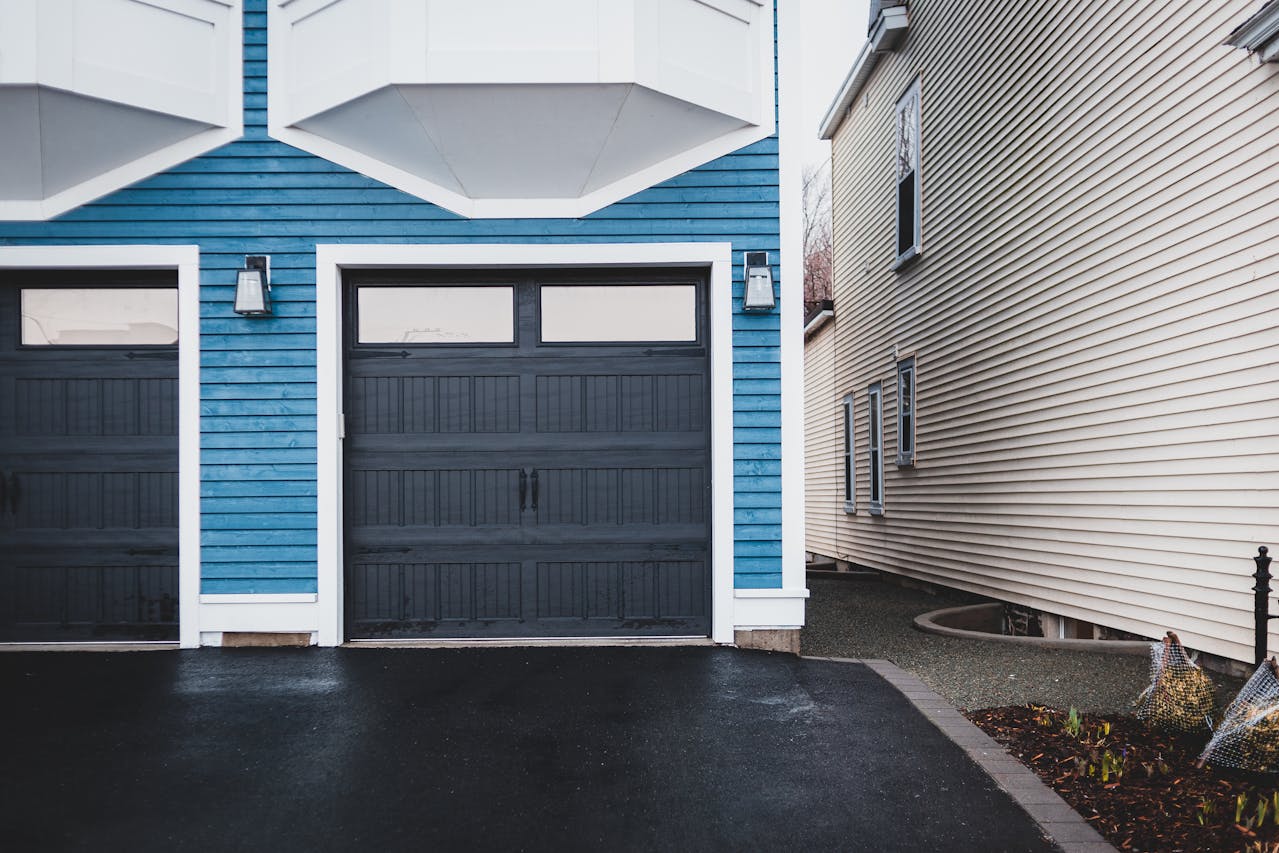
Evaluating Replacement Panel Materials
Selecting replacement garage door panel materials is about more than aesthetics. You’ll need to consider how the door holds up to your climate, your budget, maintenance requirements, and the aesthetic you desire for your home. Here’s a breakdown of the main options and what makes each one stand out:
1. Steel
Steel panels are tough and durable enough to withstand your kids’ scrapes or scrapes from shopping carts, making them a brilliant choice for bustling households or high-traffic garages. They provide sturdy impact resistance, and with proper maintenance, they won’t dent too readily. Steel is popular because it is one of the cheapest options, with replacement panels generally running from $200 to $600 per panel, depending on thickness and insulation. The material is available in multiple finishes and can replicate the look of wood or have a colored powder coating, so you can coordinate your garage with your home’s aesthetics. It is easy to maintain, requiring simple cleaning and rapid scratch touch-ups to prevent rust from initiating.
2. Wood
Wood lends a warm, traditional appearance that many adore for curbside charm. There are replacement panel materials to choose from, such as mahogany or cedar, and each has its own unique grain and durability. Mahogany is dense and rot-resistant, while cedar handles moisture and bugs, doing well in humid settings. Solid wood panels are naturally insulating, so your garage stays at an even temperature. Wood requires more maintenance, as painting or sealing is needed frequently. Prices can add up, with panels ranging from $300 to $900, depending on species and pattern.
3. Aluminum
Aluminum is far lighter than steel, so doors are easier to open and close, which is great if you use your garage a lot. The material holds up well against rust, which makes it the best option for coastal or humid climate conditions. You’ll discover a lot of chic, minimalist styles that look perfect on modern houses. Aluminum panels are generally gentler on your budget, typically running $150 to $400 a panel. They don’t require much maintenance; simply maintain cleanliness.
4. Wood Composite
Wood composite panels combine wood fibers with synthetics, so you have the robustness of the latter with an almost wood-like appearance. They run a little lower than solid wood, at about $250 to $800 per panel. You won’t have to paint or seal them as frequently as wood, so long-term maintenance is less. With plenty of finishes and styles to suit different tastes, it’s easier than ever to find something that fits your home.
5. Fiberglass
Fiberglass panels provide excellent insulation, so they’ll keep you cool in the summer and warm in the winter. They don’t dent or scratch easily, so they keep looking new longer. Fiberglass doors come in a variety of finishes and even custom designs, allowing you to mimic your home’s aesthetic. These panels are so light that they won’t stress your garage’s opening system as much.
Beyond The Surface
When selecting a material for your replacement garage door panels, you’re not simply considering aesthetics. You’re juggling daily maintenance, durability, climate, and the impact your selection has on the door’s operation. These points matter:
- Weather resistance and panel durability against moisture, heat, or cold.
- Cost of the panel and ongoing care.
- R-value is important, especially if you want to insulate your garage for warmer or cooler temperatures.
- Ease of repair or replacement if something goes wrong.
- Weight and how that might affect your garage door opener or springs.
Durability
Durability is all about how materials survive years of wear and exposure. Steel panels resist dents and are less likely to warp, but can rust if not coated properly. Wood, though timeless and an excellent insulator, can warp, rot, or split without consistent maintenance, particularly in damp or humid environments. Fiberglass panels are moisture and dent-resistant, but can crack with age, particularly in the cold.
Material | Hot/Dry Climate | Wet/Humid Climate | Cold Climate |
Steel | High | Medium (risk of rust) | High |
Wood | Medium (may dry) | Low (may warp) | Medium |
Fiberglass | High | High | Medium (may crack) |
If you see bowing or warping, it’s wood water damage or misaligned metal. Others use T-111 siding or marine-grade plywood, such as okume, for reinforcements in wet areas. MDO plywood, which is used in signs, is another great option. Thin luan plywood can be made to work if reinforced with cloth or fiberglass. Be sure to check the bottom joint as it’s a frequent weak spot. Warranties may give you a clue to anticipated toughness. More time on warranty coverage normally translates to higher manufacturer belief.
Maintenance
- Steel needs rust checks and paint touch-ups in damp spots.
- Wood needs sealing, paint or stain, and checks for rot.
- Fiberglass: Needs occasional cleaning and checks for cracks.
- Marine-grade plywood: Needs sealing and regular checks for swelling.
- MDO plywood: Needs paint or sealant, but little else.
- Thin luan plywood: Needs extra protection, or it will damage quickly.
Cleaning is a breeze for steel or fiberglass – simply a gentle wash. Wood and plywood require additional effort,r,t such as sealing and sanding. Over time, lack of care means faded color, cracks, or swelling, all of which can diminish your curb appeal. Maintenance costs accumulate, particularly for wood, whereas steel and fiberglass tend to cost less in the long run.
Lifespan
Steel and fiberglass panels can easily last 15 to 30 years, rs given proper care. You might have to replace wood a bit sooner, particularly in moist environments. Marine-grade and MDO plywood can extend life with maintenance. The thin luan plywood will not last more than a couple of years without reinforcement. Extreme heat, cold, or rain can shave down any panel’s lifespan, so pair your selection to your local climate.
Quality counts. Going a little heavier up front with tried and true panels like marine-grade plywood or steel can mean less agony down the road. Most users report that steel and MDO panels hold up the longest, particularly in severe weather.
Climate and Your Panel
Climate defines which garage door panel endures and performs optimally for you. Your local climate — from heat and cold to rain, wind, and sun — can decompose some materials faster than others. There is no universal answer; yours should fit what your region hurls at it, your maintenance style, and your wallet. Here are the main things to think about:
- Humidity and moisture will rot wood and metal. If you live where it’s wet, select panels that resist moisture.
- Extreme heat or cold alters how panels function. Some expand or shrink, which can loosen or crack them.
- Insulation counts if you’re looking to keep the heat out or the warmth in. Various materials retain or dissipate heat in their unique fashion.
- Coastal air, wind, and salt corrode metal or abrade finishes. See how each panel holds up to these forces before you buy.
Humid Regions
Aluminum and fiberglass both hold up well to moist air. Aluminum is a favorite in humid and coastal locales due to its rust-resistant properties. Severe summers can shorten its lifespan. Fiberglass won’t rot or swell, so it’s a great choice for rain or moisture, just not for windy or stormy areas. For wood doors, protective coatings aid in blocking mold and swelling, but you’ll have to maintain them. Steel can rust, particularly around the bottom edge, if salt is applied to winter ice. Seek out panels treated to prevent corrosion. Garage ventilation stops mold, regardless of your panel.
Dry Regions
Dry air and big swings in temperature can crack or warp wood, so it’s not the best choice unless your climate is mild. Aluminum is lightweight and won’t warp, but can fade or get hot without UV coatings. Insulated doors maintain inside temperatures and save energy. Fiberglass panels perform well in hot, dry areas as well, but stay away from these if you have wind issues. Wood will dry out and crack, so seek out panels with a moisture shield or choose another material.
Extreme Temperatures
Cold can stiffen or brittle panels, so holding materials with good insulation properties, like steel with foam cores, work better. Heat can warp vinyl and certain wood composites. Aluminum doesn’t insulate, and it can get really hot, so it’s not so great for the brutal summers. Always consider the thermal rating and select panels designed for your climate if you treat your garage as a workshop or want to reduce energy costs.
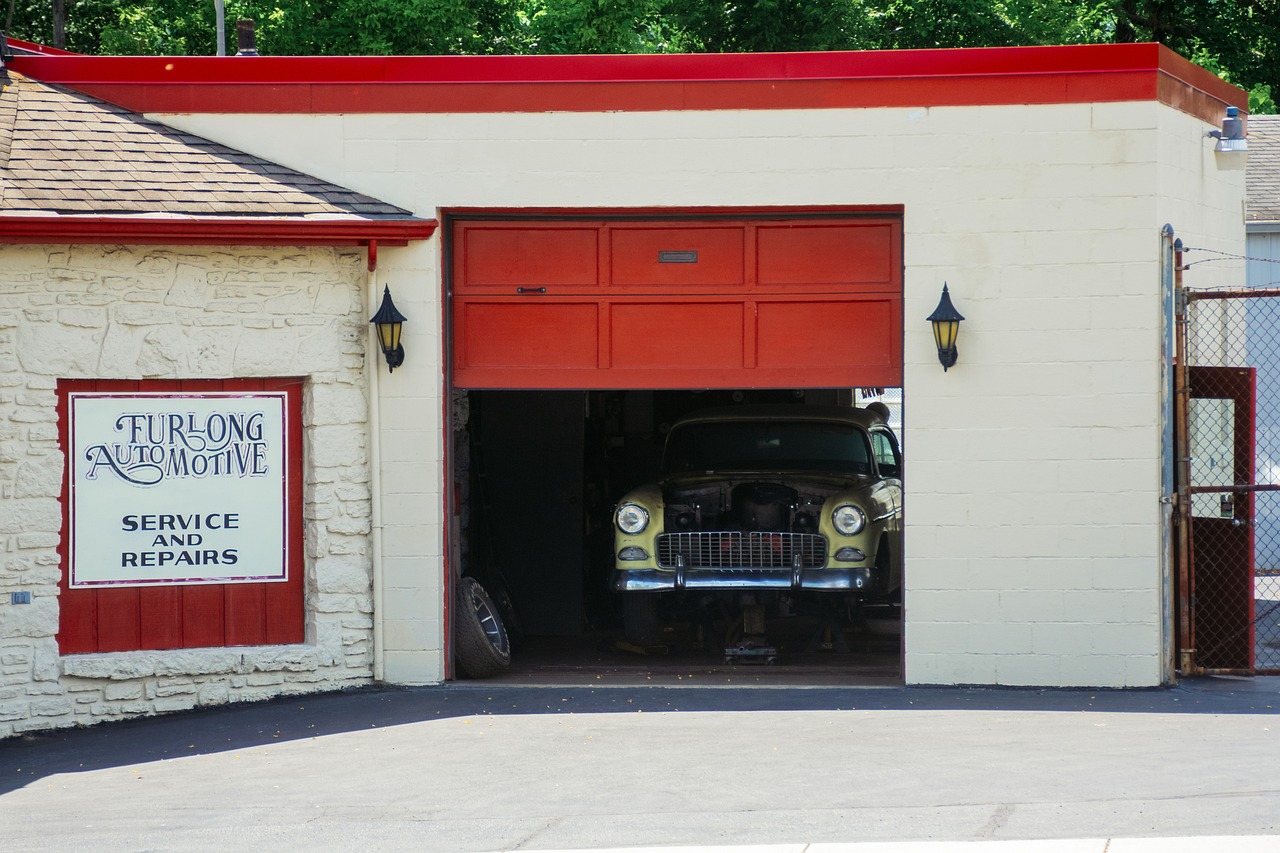
Weighing Total Cost
Cost is more than just the price tag when you’re shopping for the top material for replacement garage door panels. You need to factor in what you pay now, what you’ll spend down the road on maintenance, and how much you could pocket in energy savings over the long haul. Here’s a simple table to show how common materials stack up:
Material | Initial Price (USD, per panel) | Upkeep Cost (per year) | Insulation Value | Average Lifespan (years) |
Steel | $600–$800 | Low ($30) | Moderate-High | 15–20 |
| Aluminum | $400–$700 | Low ($20) | Low | 12–15 |
| Wood | $800 to $1,500 | High ($100) | Moderate | 15 to 20 |
| Fiberglass | $700 to $1,000 | Low ($25) | Moderate | 10 to 15
| Vinyl | $600 to $900 | Very Low ($15) | Moderate | 10 to 15 |
Initial Price
Steel and aluminum panels are quite a bit more cost-effective, with steel panels running an average of $778 per panel and approximately $95 for labor. Wood is the most expensive upfront, occasionally running as high as $1,500 for a single panel. Include local rates because high season, rush jobs, or custom work drive prices up. Most homeowners pay $860 for a single panel swap, but anticipate $1,720 to $2,580 if they require two or three panels. It never hurts to add a 15 to 20 percent buffer for surprise costs, plus another $370 for dumping those old panels.
A few vendors provide financing for more expensive wood or insulated panels, which amortizes payments but tacks on interest. Weighing Total Cost Compare at least three quotes for the best deal and service, as labor and material markups can differ considerably by region and provider.
Upkeep Expenses
Wood panels require sanding, sealing, and repainting every few years. Slip one step, and you are looking at warped boards or rot, leading to more expensive repair bills. Steel and vinyl require minimal effort; simply wash and inspect for dents or breaks. Fiberglass weathers beautifully in wet or salty climates, but it does fade. If you neglect small problems, they become expensive fixes later on. Maintenance costs add up, so choose a material that matches your willingness to perform routine care.
Energy Savings
Insulated steel, fiberglass, or vinyl doors save energy by making garages warmer in the winter and cooler in the summer. They reduce your heating and cooling bills, particularly if your garage adjoins your home. The savings typically offset the higher price of insulated panels over 10 to 15 years. Energy-smart doors enable greener lifestyles, something that resonates with lots of homeowners hoping to reduce their utility bills and environmental impact.
How Panels Affect Mechanics
How Panels Impact Mechanics. The type of material you select for your garage door panels influences the mechanics of your door daily. Weight, strength, and weather handling all factor into how your door moves, how much stress it places on components, and how long everything will last. Even one new panel, if it’s not matched well, can throw off the balance and strain the entire system.
Spring Tension
Thicker panel materials, such as heavy steel or solid wooddood require significantly stronger springs. These springs have to bear the burden every time you open or close the door. Swapping to a heavier or lighter panel could require a professional to tweak the spring tension. Mismatched spring tension can mean the door slams shut or won’t stay open, and sometimes it can wear out the springs more quickly.
A good spring configuration maintains door balance and facilitates smooth movement. If you replace just one panel, even if it’s a minor repair, this equilibrium is thrown off, resulting in uneven movement or jamming. Warped or bowed wood panels cause even greater headaches, as they make smooth operation difficult and place additional strain on the springs. Over time, all of this strain can decrease the lifespan of your whole garage system.
Opener Strain
The opener does the majority of the work, so lighter panel materials such as aluminum or thin steel are easier on the motor, gears, and chains. Thick panels, particularly insulated steel or solid wood, place a lot more demand on the opener. If the opener is not rated for that weight, it can wear out faster or break.
For hefty doors, selecting an opener with a beefier motor is essential. If you use a light material, the opener will probably last longer and require less maintenance. Heavier things require more robust opener systems, contributing to cost and future repair burden. Lighter panels translate into less daily strain on all the moving parts.
Track Wear
Tracks direct your garage door as well. Heavy panels grind down these tracks quicker, particularly if the tracks aren’t designed for additional weight. Lighter panels exert less force on the tracks and reduce maintenance requirements over time.
How Panels Impact Mechanics. If you go with thick or insulated steel, ensure your tracks are rigid enough. Wood panels will swell or warp and cause the door to rub or stick, ruining the tracks and rollers. Aluminum dents more easily than steel, and dents can make the door move unevenly, which hurts the tracks, too. Worn-out tracks can lead to noisy operation, sticking, or even unsafe door movement.
Aesthetics and Property Value
Your garage door is a big part of your home’s curb appeal. It can account for up to 30% of what they see from the street. Whether you want your property to stand out or fit in, the right material makes all the difference. Steel panels provide a sleek contemporary appearance, and wood contributes coziness and a timeless quality. Wood is connected to charm and can make a home feel more precious and well-loved. If you want something low-key, aluminum and fiberglass give you the choice of smooth or textured finishes that suit tons of styles with minimal maintenance.
Style defines the experience of your home. A door that works with your home’s style, be it sleek and simple or bold and detailed, can boost curb appeal. For instance, a wood-raised panel door can work well with both contemporary and old-world homes. Some opt for carriage-style doors to achieve that vintage feel, while flush panels complement more modern styles. Color and finish are important as well. Dark paint or stained wood stands out, and lighter shades soften the home’s frontage. Brushed or matte finishes can add a more high-end look to even simple doors.
The vast majority of them allow you to customize to your own aesthetic. Steel and fiberglass are readily paintable in any color. Wood can be stained for a natural appearance or painted, should you wish to coordinate with your trim. Others, like vinyl, have fewer options but are still flexible with panel shapes and hardware. You can select handles, hinges, and window inserts that give your door a dash of flair or allow it to blend in. This liberty allows you to customize the door according to your home’s vibe, whether you want it to be loud or soft-spoken.
Quality counts in real estate. A nice garage door, constructed from quality materials and maintained in peak condition, can increase perceived value among potential buyers. A new door with crisp lines and solid hardware indicates that the house is well-loved. This can increase value at sale, as buyers frequently associate curb appeal with value.
Conclusion
Choosing the right garage door panels does more than just define the look of your home. Steel resists dings and weather. Wood offers a warm feel and traditional aesthetic. Aluminum remains light and strong, which is ideal for locations by the sea. Vinyl resists chips and rust and is simple to maintain. Each one works best. Consider your weather, how you use your garage, and what you want to spend. Quality panels protect your space for even longer. They add to your home’s value! Looking to make the right call? Contact a local expert or stop by a showroom. Find what suits your space and your needs best. Make your garage work better with the right pick.
Frequently Asked Questions
What are the most durable materials for replacement garage door panels?
Steel and aluminum are extremely durable and are dent and rust-resistant. Fiberglass is similarly robust but lightweight. These materials provide long-term performance if you desire long-lasting panels.
Which panel material is best for extreme climates?
Insulated steel panels are best for both hot and cold climates. They assist in regulating your indoor temperature and resist moisture, maintaining a cozy garage throughout the seasons.
Are wooden garage door panels a good choice?
Wood panels provide a timeless aesthetic but require consistent upkeep to avoid warping and decay. If you want a low-maintenance option, choose steel or composite instead.
How do replacement panel materials affect energy efficiency?
Insulated steel or composite panels maintain your garage temperature. This cuts energy expenses, particularly if your garage is attached to your house.
What material is easiest to customize for style and color?
Composite and aluminum panels can be painted or finished in virtually any color or design. This gives you the ability to complement your home’s exterior with your garage door.
Do heavier panel materials affect the garage door mechanism?
Yes, heavier materials such as solid wood can burden springs and openers. Lighter materials like aluminum or insulated steel place less wear on your garage door system.
How do replacement panels impact property value?
Good-looking, quality panels can increase your home’s curb appeal and property value. Select materials that are rugged and attractive to impress those who arrive at your home.
Transform Your Home With Garage Door Panel Replacement and Cosmetic Upgrades
Your garage door plays a huge role in your home’s curb appeal. When panels are dented, cracked, faded, or outdated, they can make the entire exterior feel tired, even if the door still works. Replacing panels or upgrading the look of your garage door is one of the fastest ways to refresh your home without the cost of a full replacement.
Bay Area Doors has spent more than 20 years helping homeowners across the San Francisco Bay Area restore and upgrade their garage doors. We specialize in garage door panel replacement and cosmetic upgrades that improve appearance while preserving the strength and performance of your existing system. From matching individual panels to updating finishes, windows, and design details, we focus on solutions that make your door look new again.
We walk you through every option. That includes evaluating whether panels can be replaced individually, identifying compatible styles and materials, and recommending upgrades that fit your home’s architecture and budget. Our goal is to give you a clean, cohesive look without unnecessary replacements.
Our technicians handle every project with precision and transparency. You get clear recommendations, quality materials, and workmanship backed by our guarantee. Homeowners throughout the Bay Area trust Bay Area Doors to deliver garage door upgrades that enhance curb appeal and add long-term value.
If your garage door looks worn, damaged, or outdated, contact Bay Area Doors. We’ll help you refresh your home with expert panel replacement and cosmetic upgrades that make a visible difference.
Disclaimer:
The information provided in this article is for general educational and informational purposes only. Garage door repair and panel replacement can be dangerous, especially when dealing with springs, heavy panels, or electrical components. Always exercise caution and follow proper safety protocols. The author and publisher are not responsible for any injury, property damage, or other consequences resulting from the use of this information. For safe and effective service, consult a licensed garage door professional or manufacturer before attempting any repairs. Prices, materials, and procedures may vary by location, brand, and door type.

