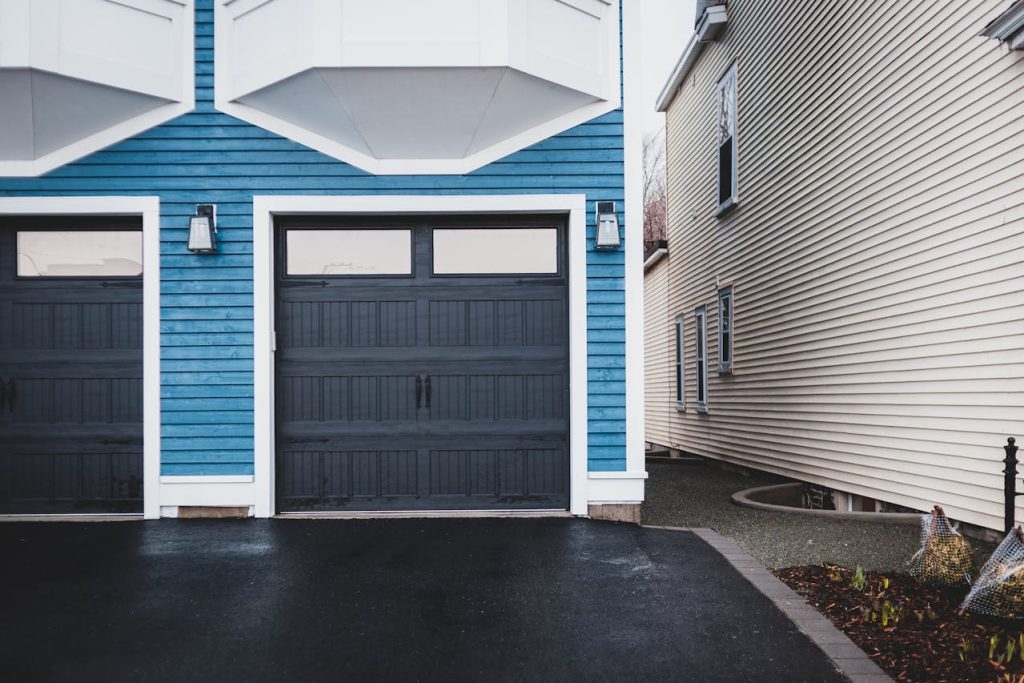
Many factors play into the answer to ‘when should I replace garage door panels instead of the whole door?’, including the type and size of damage, the age of your door, and how well the rest of the door operates. If you notice dents, cracks, or rust on one or two panels but the rest of your door is operating fine, panel replacement can be a big time and money saver. When your garage door remains balanced, opens and closes quietly, and the components operate seamlessly, you can typically only replace the damaged panels. If the damage runs deep or if the door has trouble with movement, a full replacement could be the better call. Here’s what informs you as to which option makes the most sense.
Key Takeaways
- When should I replace garage door panels instead of the entire door?
- When should I replace garage door panels instead of the whole door?
- For example, check to see whether replacement panels for your door model are readily available and compatible before making a decision.
- Weigh the costs, time, and long-term value of replacing panels versus a new door to determine the most efficient solution for your home.
- Consider both surface and structural integrity, or risk missing underlying problems that could cause future headaches or higher energy bills.
- Take accurate measurements and use installation best practices, or contact the pros to make sure your replacement panels fit and function well.

When To Replace Garage Door Panels?
When considering garage door panel repair versus replacement, it’s essential to evaluate the nature and scope of the garage door damage, the door’s age, and your goals for function and appearance. Focusing on the individual panels rather than opting for a full garage door replacement can lead to a practical and cost-effective solution.
1. Minor Damage
Minor dents, scratches, or scuffs on one or two panels are typically a breeze to repair with basic repair kits or paint touch-ups. If the damage doesn’t impact how your door opens or closes, repairs typically do the trick and save you some cash. For small imperfections, repair is often more economical than replacing a whole panel, assuming the underlying material is solid.
If the repairs approach the same price as a new panel, it can be more economical to replace the affected component when repair costs accumulate.
2. Single Panel Issue
If just one panel takes a hit after a bump or storm, you can typically replace only that portion. This is typically the case with doors that are still manufactured and easy to match. If your door model is older, it can be difficult to match the color and design, and a new panel is likely to stand out.
Consider your door’s age. If it is over 15 years old or has latent issues, swapping a single panel likely won’t last. If the rest of your door is sound, swapping a panel is economical.
3. Newer Door
With new garage doors, you get better insulation and more durable materials. Panel replacement usually comes under warranty, which makes it a very affordable solution. Replacing damaged panels allows you to maintain the appearance and function of your newer door without the higher cost of a full replacement.
By replacing panels on a newer door, you can extend the need for a whole new door by years, keeping your investment secure.
4. Cosmetic Flaws
Panels with purely aesthetic imperfections, such as fading, chips, or cracks, won’t impact day-to-day usability but can damage curb appeal. Swapping those panels can provide your home with an instant facelift, particularly if you’re selling or want it to look ‘matched’.
It’s hard to match new panels to old when the door has faded or is an unusual color. If seamless style matters, replacing all four panels at once is usually best.
5. Availability
First, see if replacement panels are even available for your model. Certain panels, especially for older doors, are difficult to source. Ensure that any new panel matches your door’s tracks and hardware. For custom colors or styles, anticipate longer lead times and higher prices.
Local vendors can sometimes provide quicker service. You might have to wait for special orders if your door is uncommon or out of production.
Panel Or Full Door Replacement?
Garage door panels can experience damage such as dents, cracks, and rust over time. Deciding between garage door panel replacement and a full garage door replacement depends on cost, time, and the overall condition of your home.
Option | Cost (USD) | Time Estimate | Benefits |
Single Panel Replacement | $250–$700 per panel | 1–2 hours | Quick fix, lower cost for minor damage |
All Four Panels | $1,000–$2,800 | 2–4 hours | Better match, long-term savings |
Full Door Replacement | $1,000–$4,000 | 3–6 hours (plus prep) | Full upgrade, boosts curb appeal |
Cost Analysis
Panel replacement is often a more affordable option up-front. A single garage door panel replacement is practical if your door is new and the rest is in good condition. For instance, if you only backed into one section, you might only fork over $300 to $600. However, if you need to replace multiple panels, the cost can escalate quickly. Replacing four panels runs closer to a full garage door replacement, but it allows you to keep your opener and tracks.
Investing in a new garage door could also lower energy bills and save you money over time, particularly with improved insulation. If your old garage door shows signs of damage, a new door can significantly reduce heating costs. Maintenance is another factor to consider; while panel replacements can add up, a full door typically comes with a warranty.
Financing options are usually more accessible for a complete door replacement, allowing you to amortize payments. Most suppliers offer plans to assist with upfront costs, making it easier for homeowners to manage the investment in quality garage doors.
Time Factor
Replacing a panel typically requires only one to two hours, so you can get back to life quickly. Panel or full door replacement? If you reside in a bustling neighborhood or depend on your garage door daily, downtime counts.
Weather or shipping delays can delay a full replacement, particularly if you want a custom style. Panel swaps are less prone to delays, but matching old panels can be tricky if yours have faded.
Future Value
A new door can increase your home’s resale value. It provides a new look, which counts for curb appeal and future appraisals. Even if you aren’t going to sell anytime soon, a new door lasts longer and works better.
If you replace just one panel on an older door, it often looks mismatched, and buyers notice. If your door is more than 10 years old, a full upgrade can be a savvy move. The payback from new panels is greatest when the balance of the door is in prime condition.
How To Assess The Damage
To determine whether to opt for garage door panel replacement or a full garage door replacement, you need to conduct a thorough inspection of both surface and underlying issues. Start with a checklist to survey the surface and structure, noting any scratches, dings, or areas where the paint is peeling. Be sure to pay attention to any drafts or sudden drops in temperature in your garage, as these could indicate garage door damage. Documenting these findings will help you weigh repair against replacement, and bringing in a professional can provide a deeper diagnosis if you’re uncertain.
Surface Damage
Scratches, dents, or peeling paint are the first things you may notice upon inspecting your garage door. Occasionally, these can appear insignificant. It’s savvy to dig a bit deeper. If it’s only surface damage, such as a shallow scratch or small dent, minor repairs or a paint job can suffice. That will help preserve the door’s appearance for years.
If the damage is concentrated across a panel or two, you could replace just those panels. If your door has multiple panels impacted or if the damage is serious, it can become expensive real fast. Matching the color and style with a new panel can be tricky, particularly if the door has aged or sun-faded. This mismatch can affect curb appeal and resale value. Weatherproofing after a repair or replacement is key to preventing rust, water leaks, or additional paint damage, particularly if you live in a rainy area or experience large shifts in temperature.
Structural Integrity
Structural issues with garage doors can be more severe and may compromise safety. Look for sagging garage door panels, bent frames, or gaps between sections as caution signs indicating that the door may not open or close properly or could even fall. Check the hinges, tracks, and other components to determine if they’re worn out or loose. While you can sometimes perform a garage door panel replacement for a spot or two, if the door feels loose or multiple pieces are broken, it’s more logical to consider a full garage door replacement.
System Condition
Check the entire garage door system, not only the garage door panels. The opener, springs, and cables all have to work in unison. If the opener strains or the cables appear frayed, repairs or a full garage door replacement might be required. Patching new garage door panels into an outdated system may create friction or unbalanced movement, resulting in additional repairs later. If your door is older than 15 years, garage door panel replacement is usually the wiser option, even if just one component appears worn.

The Hidden Ripple Effects
You think you’re just installing garage door panels, but it goes beyond that. Everything counts, from how the door fits together to how well your home retains heat. Examining potential issues like garage door damage more closely will help you determine the optimal path.
Mismatched Aesthetics
A new panel makes all the other ones on your garage door look old or faded. If the color or finish is even slightly off, the door pops for all the wrong reasons. Sometimes it’s hard to find a perfect fit, particularly if your door is older. PAINT can help blend the new with the old, but it doesn’t always last like that.
They might miss while tackling the new panel’s design, not lining up with the other sections. This can disrupt the nice, clean lines of your garage door and highlight the repair. If you want your home to maintain its value and curb appeal, a uniform look counts. For some doors, matching panels aren’t even made anymore, so you’ll have to replace all the panels or get a new door.
If you reside in a location where home value and first impressions count, like in most cities and towns, these little things have a significant impact. Perhaps you’ll have to refinish or repaint the entire door to maintain a consistent appearance, further increasing cost and labor.
Energy Inefficiency
A poorly fitted or insulated panel lets the cold or heat creep in and, along with it, your energy bills. New panels might be better insulated than your old ones, but if they’re not installed right, gaps develop, and energy seeps out. If your garage is attached to your home, this can impact the coziness of neighboring rooms.
Sometimes, older doors just don’t align with newer, energy-saving panels. Even if you install a stellar panel, the balance of the door could leak heat or coolness. In the long run, paying a little extra for quality panels or a brand-new door can translate into lower bills and a cozier home.
Future Failures
Substituting a single panel won’t solve the underlying issues. If the frame or internal components are bent or worn, additional repairs could be on the horizon. Neglect small harm, and you will get bigger breakdowns, such as the door sticking, unhinging, or derailing.
Every time you duct tape a problem, expenses accumulate. Multiple repairs can cost more than a new door if you have three or more panels damaged. If you’ve got an older door or parts are difficult to source, a complete replacement is sometimes your only viable option.
Material And Design Impact
Garage door panels, available in various materials, significantly influence durability, maintenance, and insulation. The choice of material and panel construction affects not only your garage’s ability to withstand the elements but also the overall condition of your home’s street appeal. Before deciding on garage door panel replacement or considering a full garage door replacement, evaluate how each option impacts price, longevity, and home fit.
Material | Durability | Maintenance | Energy Efficiency |
Wood | Moderate | High | High |
Steel | High | Low | Moderate-High |
Aluminum | Moderate-Low | Low | Moderate-High |
Wood Panels
Wooden panels are notable for their natural warmth and timeless aesthetic, making them an excellent choice for garage door panel replacement in traditionally styled homes. They’re very well insulated, which means your garage stays nice and temperate no matter the season. However, you’ll need to paint or seal wood panels to protect them from rain, sun, and bugs. Without consistent maintenance, wood is prone to warping or rotting, particularly if your region experiences heavy rain or humidity. As wood ages, it can warp, complicating the process of replacing damaged garage door panels without affecting their appearance. Even so, few things beat wood’s warmth and style for many homeowners.
Steel Panels
- Very durable and resist dents, impacts, and harsh weather
- Needs little upkeep, no painting unless scratched
- Wide range of finishes includes smooth, wood grain, and many color options.
- Long life, far outlasting wood or aluminum. Steel panels provide a hard-wearing, low-maintenance solution. It’s not more durable than other steel, but you do get better rust and wind protection if the steel is coated. If you want a cool look, swapping them all out at once is best. One new steel panel probably won’t match the older, faded ones.
Aluminum Panels
Aluminum panels are light and easy to move, making them ideal for wet climates, but homeowners should be cautious of potential garage door damage from dents and scratches, as aluminum is softer than steel. These panels suit contemporary homes with sleek lines and glossy finishes. Adding insulation to aluminum panels can assist in reducing heat loss and lowering energy costs. However, over time, the cost of garage door panel replacements can accumulate, and mismatched panels may detract from your home’s overall condition and curb appeal.
The Replacement Process
Replacing a garage door panel is a task that requires planning, specific tools, and precision. Most professionals need two to three hours for a single panel replacement, but it may take up to four hours for oversized doors or those with intricate designs. This process involves technical steps, such as freeing tension from the torsion or extension springs, which can be dangerous for the untrained. Many homeowners choose to hire a garage door contractor to avoid potential injuries, as spring tension can lead to accidents. The cost for new garage door panels can range from $150 to $1,000, depending on the material and style. If your garage door is over 15 years old or repairs exceed 50 percent of a new garage door, a full garage door replacement is often the more logical choice.
Measurement
Measuring correctly is crucial to avoid garage door damage when it comes time to install a new garage door panel. Begin by measuring the width and height of the existing panel with a tape measure, noting each number down in millimeters for accuracy. Compare thickness, as panel depth can vary by manufacturer. First, measure your door frame to ensure the new panel will fit straight and work with the rest of your garage doors. Use a steel rule or laser measure for accuracy to prevent delays.
Installation
To ensure a successful garage door panel replacement, install the panel according to the manufacturer’s instructions. First, release the spring tension using winding bars for torsion springs or the correct tool for extension springs. This step is not for beginners, which is why most homeowners opt to hire a garage door contractor. Next, unscrew the hinges and mounting brackets to remove the old panel. When installing the new garage door panel, ensure that all hardware aligns and is tight. Using a power drill and screwdriver can speed up the process, especially if your panel is heavy or your door is insulated.
Testing
Open and close the garage door a few times to test the movement and ensure there is no garage door damage. Check for smooth motion and listen for any odd noises like grinding or banging. Test the alignment by observing the panel gaps and frame, ensuring there’s no rubbing or sticking. Keep the door balanced when stopped halfway and record any issues you observe while testing, as this information will be helpful for garage door repair technicians if you need to tweak the door later.
Conclusion
Deciding between swapping out garage door panels or the entire door boils down to appearances, your budget, and your garage requirements. A couple of panels with small dents or rust typically require only new panels. Large cracking, severe damage, or obvious separations indicate a complete door exchange. Look out for small source clues early on, such as strange noises or sticking panels. Remember to consider how the door matches your house style and your local weather. If you’re unsure, consult a local pro. Your smart choice saves cash, reduces inconvenience, and protects your garage. Need more tips or assistance with your next step? Contact us to find out more.
Frequently Asked Questions
When should you replace garage door panels instead of the entire door?
Consider garage door panel replacement if only a few panels are damaged, as this affordable option preserves the overall condition of your garage doors without necessitating a full garage door replacement.
Can you replace just one section of a garage door?
Yes, you could replace a single panel if the garage door damage is limited. Ensure the new garage door panel corresponds in size, material, and design for optimal results.
What types of damage can be fixed with panel replacement?
Panel replacement is ideal for dents, cracks, or rust on one or two damaged garage door panels. If your frame or main structure shows signs of garage door damage, choose a full garage door replacement.
How do you know if panel replacement is the best option?
Ensure the tracks, springs, and opener function properly. If garage door damage is merely cosmetic or limited to outdated garage door panels, garage door panel replacement is a great solution.
Will replacing panels affect the look of your garage door?
By matching new garage door panels to your existing door, the overall condition and look remain consistent, even if color and texture vary due to age or fading.
Is panel replacement cheaper than a full door replacement?
Yes, garage door panel replacement is typically less expensive than a full garage door replacement, making it a frugal choice for homeowners.
Should you hire a professional to replace garage door panels?
Yes, a pro will ensure proper installation of your garage door panels, using their experience to match panels effectively and maintain your garage door’s overall condition and functionality.
Transform Your Home With Garage Door Panel Replacement and Cosmetic Upgrades
Your garage door plays a huge role in your home’s curb appeal. When panels are dented, cracked, faded, or outdated, they can make the entire exterior feel tired, even if the door still works. Replacing panels or upgrading the look of your garage door is one of the fastest ways to refresh your home without the cost of a full replacement.
Bay Area Doors has spent more than 20 years helping homeowners across the San Francisco Bay Area restore and upgrade their garage doors. We specialize in garage door panel replacement and cosmetic upgrades that improve appearance while preserving the strength and performance of your existing system. From matching individual panels to updating finishes, windows, and design details, we focus on solutions that make your door look new again.
We walk you through every option. That includes evaluating whether panels can be replaced individually, identifying compatible styles and materials, and recommending upgrades that fit your home’s architecture and budget. Our goal is to give you a clean, cohesive look without unnecessary replacements.
Our technicians handle every project with precision and transparency. You get clear recommendations, quality materials, and workmanship backed by our guarantee. Homeowners throughout the Bay Area trust Bay Area Doors to deliver garage door upgrades that enhance curb appeal and add long-term value.
If your garage door looks worn, damaged, or outdated, contact Bay Area Doors. We’ll help you refresh your home with expert panel replacement and cosmetic upgrades that make a visible difference.
Disclaimer:
The information provided in this article is for general educational and informational purposes only. Garage door repair and panel replacement can be dangerous, especially when dealing with springs, heavy panels, or electrical components. Always exercise caution and follow proper safety protocols. The author and publisher are not responsible for any injury, property damage, or other consequences resulting from the use of this information. For safe and effective service, consult a licensed garage door professional or manufacturer before attempting any repairs. Prices, materials, and procedures may vary by location, brand, and door type.