
Your garage door plays a bigger role in your home’s overall look than many realize. By coordinating its color, material, and style with your home’s exterior, you can create a cohesive and appealing design. Many homeowners choose shades that match their trim or siding, or opt for a complementary contrast that highlights the architecture. Matching the panel or window style of the garage door with your home’s main entry also adds a pleasing sense of symmetry. Even small details—like decorative handles and hinges—can make a big difference in tying the design together. No matter which paint, stain, or finish you select, be sure it can withstand the elements and maintain its beauty year-round. In the next section, we’ll explore how to choose the best style, color, and material to perfectly suit your home.
Key Takeaways
- Start by determining your home’s architectural style and pick a garage door that reflects its predominant design elements. Your choice should add to, rather than take away from, your property’s curb appeal.
- Go for a color scheme that coordinates your garage door with both your home’s exterior and entryway. Test colors in natural light to ensure they work together.
- Focus on materials that complement your desired durability, maintenance, and energy efficiency, as well as matching textures and finishes with other exterior components to tie it all together.
- Add design elements like windows, hardware, trim, and lighting that complement both your garage door and the rest of your home for a seamless look.
- Check insulation ratings and smart integration features for added comfort, energy efficiency, and security in your garage.
- Maintain your garage door, don’t get too fancy or mismatched styles, and hire design experts when unsure for timeless curb appeal and functional value.
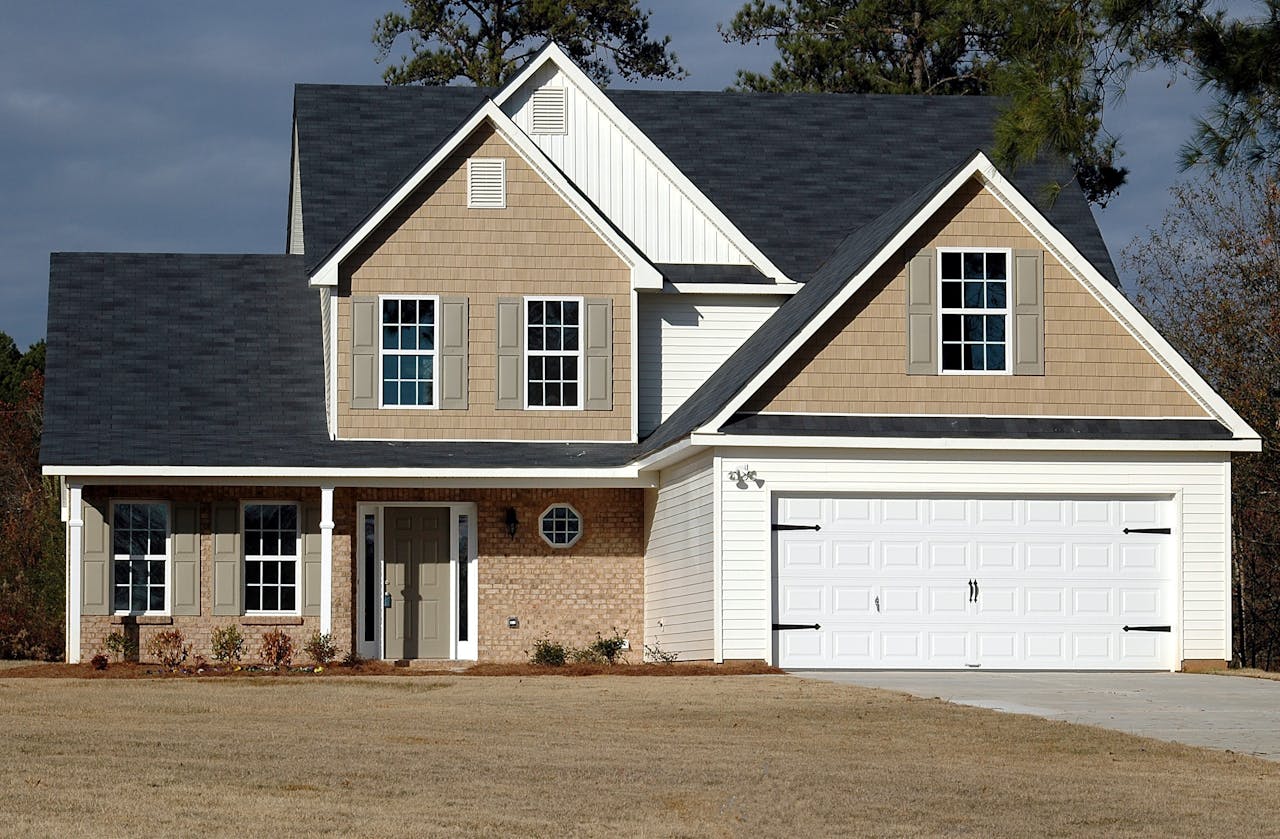
How To Match Your Garage Door
How to match your garage door to your home’s exterior – You’ve got to review the design, color, material, and overall unity. Your garage door is more than just functional. It can transform your home’s curb appeal and worth.
Architectural Style
- Determine your home’s primary style, be it traditional, modern, or transitional. This helps narrow down garage door choices. A traditional home, for instance, usually looks most attractive with carriage-style doors that recall traditional lines, whereas a sleek, flush-panel door complements a contemporary home.
- Select a garage door that incorporates design elements reminiscent of your house’s signature accents. If your house has arched windows, seek out doors with corresponding arches. For homes with strong horizontal or vertical lines, choose doors that echo those lines.
- Consider how the garage door complements or detracts from the facade. A mismatched door can interrupt the exterior flow. A carefully selected style disappears and even enhances the architecture. Many homeowners have discovered that replacing an old door can make the entire home look updated.
- Employ architectural accents, like panel designs or window shapes, that are the same on your home. Consistency keeps the look balanced.
Color Palette
A cohesive color palette is the secret. Try to match your garage door colors with your home’s exterior and front door. When choosing, think about three main routes: high contrast for a bold look, monochromatic for subtlety by matching or going a shade lighter or darker, and analogous for a gentle shift in hue. Try paint samples in natural light and against your exterior. Use contrast to accentuate features, but avoid colors that compete or dominate. Some of our favorite pairings incorporate soft neutrals with dark hardware or more striking doors with light facades.
Material Selection
Consider standard materials such as wood, steel, and aluminum. Wood provides a more traditional touch but requires increased maintenance. Steel is both durable and complements a host of styles, particularly with a painted finish. Aluminum is lightweight, rustproof, and works well for contemporary homes. Match the door’s texture and sheen to siding, trim, or even window frames for cohesion. Think insulated doors if you require energy savings. Material selection influences design—a steel door with wood grain, for instance, can straddle traditional and contemporary.
Overall Cohesion
Utilize matching finishes and hardware on all exterior doors to keep things consistent. Choose handles, hinges, and decorative straps to match your home’s time period or style. Maintain a consistent color scheme between the garage, front door, and trim for a seamless, harmonious look. See how the garage door coordinates with landscaping and walkways. One cost-smart way to boost your curb appeal is to upgrade both your garage and entry doors together.
Explore Garage Door Styles
Matching your garage door to your home’s exterior begins with knowing the complete spectrum of styles and how they correspond to your home’s architecture, functional requirements, and curb appeal. Garage doors occupy such a large portion of your home’s facade, so the right one can make a big, subtle, or bold impact on the look and feel of your property. By thinking about both classic and popular designs, you can be sure your selection will stay fresh and stylish for a long time to come, as well as complement your home’s personality.
Contemporary
Modern garage doors utilize clean lines, heroic simplicity, and functional honesty. Most have flat panel surfaces, very little hardware, and occasional surprising bursts of color. Glass panels are popular, admitting natural light while preserving privacy, and they pair nicely with contemporary, energy-efficient homes. Functionality is key, so ease of use and smart tech integration are just as important as style. A contemporary garage door can make a powerful statement on its own, yet should complement the home’s overall lines and materials.
Carriage House
Carriage house doors offer a mix of old-world charm and modern conveniences. Their old-world appeal, featuring faux hinges, handles, and cross-bracing, complements cottages and Victorians. Wood or wood-look finishes bring a sense of authenticity, though modern materials can replicate this style with less maintenance. Coordinating the door’s color and hardware with other exterior accents, such as shutters or porch lights, adds a harmonious, unified feel. Scale counts. Giant carriage doors can overpower tiny houses, so proportions should always be verified.
Elevate With Design Elements
Adding appropriate design elements to your garage door goes a long way to creating a cohesive look that ties your garage into your home’s overall exterior. These features add curb appeal and enhance usability while expressing your style. Subtle choices like incorporating matte finishes or blending materials like brick and stacked stone can transform a standard garage door into a captivating architectural element. Go two-tone for interest or even use glass features to add a modern feel and invite in extra lighting.
Windows
Pixel glasses, anyone, go ahead and choose windows that suit your home, from clean rectangular panes for a modern look to arched shapes for a more traditional facade. You’ll want energy-efficient glass to assist with temperature regulation, particularly if your garage adjoins indoor areas. Window dimensions and placement should complement your home’s architecture. Wide windows can mimic horizontal lines on a mid-century house, for example. Decorative grilles present an opportunity to incorporate both pattern and depth. Grid, sunburst, diamond patterns, you name it. Adding glass garage doors with warm surrounding lights can create a modern look and a cozy feel.
Trim
- Flat trim for modern homes
- Raised panel trim for classic exteriors
- Beveled trim for craftsman-style houses
- Minimalist trim for contemporary facades
Pick trim colors that complement your primary house color. Match trim styles to your home’s architecture so it doesn’t clash. Go bold with finishings. Use durable materials such as composite or sealed wood so that your trim pops and perseveres through any weather.
Lighting
Place outside lights by your garage door as an added security measure. Select fixtures that reflect the shapes or colors of your garage door and home. Ambient lights or accent lighting around the frame emphasize architectural details and increase curb appeal. Motion sensor lights provide extra safety and simplify late-night arrivals.

Beyond Aesthetics: Function And Future
Uniting your garage door with your home’s overall look is about much more than aesthetics. Right decisions impact energy consumption, home comfort, and technology engagement. Things like insulation, smart features, and upkeep all go a long way here.
Insulation Value
Insulated garage doors have a big impact on how well a home maintains its heating or cooling. This is crucial for homes in cold or extremely hot climates. Insulation keeps the garage at a stable temperature and can even help the adjoining or overhead rooms remain comfortable. It reduces energy bills, as less heat leaves in winter and enters in summer.
R-value is the primary method for evaluating the insulation quality of a garage door. The greater the R-value, the better the door will keep hot or cold air where you want it. If you treat your garage as a workshop or bonus room, search for a high R-value. In more temperate climates, a low R-value might still do the trick if your primary objective is to muffle sound or provide a sense of coziness.
Insulation will help reduce noise, keeping the garage—and sometimes even the house—quieter, especially if you live on a busy street. Select insulated doors appropriate for your climate zone and energy requirements, and keep in mind that steel, aluminum, and wood garage doors all have varying levels of insulation and maintenance.
Smart Technology
Smart technology is transforming how users interact with their garage doors. Today’s smart openers can hook up to your home network, allowing you to operate them through apps or even voice commands. They contribute to security by allowing you to verify the status of your door remotely. Some features include alerts if the door has been left open for an extended period of time or if there is a forced entry.
You can integrate intelligent garage doors into comprehensive home automation systems. You could have your lights, thermostat, and garage work in concert. Remote access comes in handy for letting friends in or deliveries when you’re away from home. The technology keeps evolving, so pick systems that receive updates or are compatible with new devices.
Feature | Benefit | Example Use |
Remote Monitoring | Boosts security | Check status away |
App Control | Adds convenience | Open the phone |
Voice Integration | Hands-free use | Link to assistants |
Alerts & Scheduling | Increases safety | Set routines |
Maintenance Needs
Establish a habit of inspecting your garage door’s moving components and hardware. Grease up hinges and rollers so they slide well. Finish with springs and cables to identify wear before a break. This prevents minor problems from developing into major issues.
Wipe the door frequently. Dirt and debris can damage not only the appearance but also the components. Wood doors require greater maintenance than steel or aluminum. Paint or finish wood doors to keep out moisture. Steel and aluminum might only require washing and a paint touch-up for scratches.
If you’re after increased natural light and an upgraded appearance, add windows to your garage door. Windows brighten the space and make the garage feel like an extension of the home, not just a parking stall.
Solve little issues quickly. If you hear strange sounds or notice a component malfunctioning, repair it immediately. This maintains your door secure and solid for years ahead!
Avoiding Common Design Mistakes
Matching a garage door to the rest of your home’s exterior can be tough, especially when you want style and functionality. Choosing a door that matches the architecture of your home is crucial. A contemporary home might look best in clean lines and smooth finishes, whereas a vintage look might require panels and a wood grain texture. If you select a door that conflicts with your home’s design, it attracts the wrong kind of attention and may even reduce curb appeal.
Color mistakes are easy. A color that looks good on a paint chip can look very different on a big door in the sun. Try to test out the paint or stain in different lights before you decide. Your garage door doesn’t have to be the same as your front door. A little contrast, such as a deep blue garage door paired with a light grey house, can make both pop in a good way. Overdoing it with bold colors or mismatched tones can make your exterior look cluttered and unfocused.
Size is another detail people overlook. An oversized or undersized garage door for the scale of the home messes up the whole equilibrium. For instance, a broad, heavy door on a tiny cottage appears incongruous, and a narrow door on a massive house seems strange. The proper size maintains a tidy and well-proportioned appearance.
Material choice is about both style and maintenance. Wooden doors look warm and classic and require more maintenance, particularly in humid or hot climates. Steel or aluminum doors fare better and require less maintenance, but may not provide the same allure. Keep local climate and maintenance time in mind when selecting a material.
Keep it simple because simple works best. Intricate patterns or too many windows,ws, or heavy use of accents like handles and hinges can muddy the design. A few strategically placed windows lend a lightness and a bit of style, but too much trim steals from the rest of the home’s appearance. If you want a theme, you may try matching accents or window shapes between your garage and front doors, but subtlety is best.
Here’s where the advice of a design pro can come in handy. They can catch color, balance, or style problems you might overlook. Their tips will assist you in making decisions that suit both your home and your local community.
Conclusion
If you want to coordinate your garage door with your home, consider style, fit, and colors. Look for clean lines, simple shades, and durable construction. Select a door that coordinates with your house style and trim. Go with wood for a cozy appearance or steel for a sharp vibe. Try adding a couple of windows or a sprinkle of hardware for some added charm. Beware of clashing colors or strange shapes that pop. A handsome garage door increases your home’s value and protects your family. Spend time looking at actual homes locally for inspiration. Post your selections or any advice you have. Share and exchange questions and stories. Your feedback benefits the entire community.
Frequently Asked Questions
1. How Do I Choose A Garage Door Color That Matches My Home?
Choose a color that coordinates with your home’s primary exterior color. Neutrals go with most styles. For dramatic looks, use complementary colors and make sure they go with your home’s color scheme.
2. What Garage Door Styles Suit Modern Homes?
Contemporary homes have the most appeal when paired with streamlined doors. Choices such as flush panels, glass inserts, and clean lines optimize a modern façade.
3. Which Materials Are Best For Garage Doors?
Steel, aluminum, and wood are common options. Steel is durable and low-maintenance. Aluminum is lightweight and rust-resistant. Wood provides a natural, timeless appearance.
4. Can I Add Windows To My Garage Door?
Yes, they add great natural light and curb appeal. Opt for window styles that complement your home to create a cohesive look.
5. How Do I Ensure My Garage Door Is Energy Efficient?
Seek out insulated doors with good thermal ratings. Insulation keeps the temperature inside your home controlled, conserves energy, and can even protect against noise.
6. What Design Elements Elevate A Garage Door’s Look?
Decorative hardware, one-of-a-kind panel designs, and custom finishes give your door character. Coordinate these details with your home’s accents for a cohesive look.
7. What Mistakes Should I Avoid When Choosing A Garage Door?
Don’t disregard your home’s style or choose contrasting colors. Don’t forget maintenance needs or energy efficiency. Think about the long-term benefits and the curb appeal.
Transform Your Home With Garage Door Design That Boosts Curb Appeal
Your garage door isn’t just a way in and out—it’s one of the first things people notice about your home. The right design can dramatically improve curb appeal, add value, and give your property the polished look it deserves.
For over 20 years, Bay Area Doors has been helping homeowners across the San Francisco Bay Area upgrade to garage doors that fit their home’s style perfectly. From sleek modern panels to timeless carriage designs, we install doors that enhance your home’s exterior and reflect your personal taste.
With options in colors, materials, windows, and decorative hardware, we’ll help you find a garage door that ties your whole property together. Our expert team makes the process simple and stress-free, delivering quality installation backed by our workmanship guarantee.
Trusted by thousands of Bay Area homeowners and backed by five-star reviews on Google, Yelp, and Nextdoor, Bay Area Doors is your local partner for stylish, lasting garage door upgrades.
Ready to boost your curb appeal? Contact Bay Area Doors today and see how the right garage door design can transform your home.

