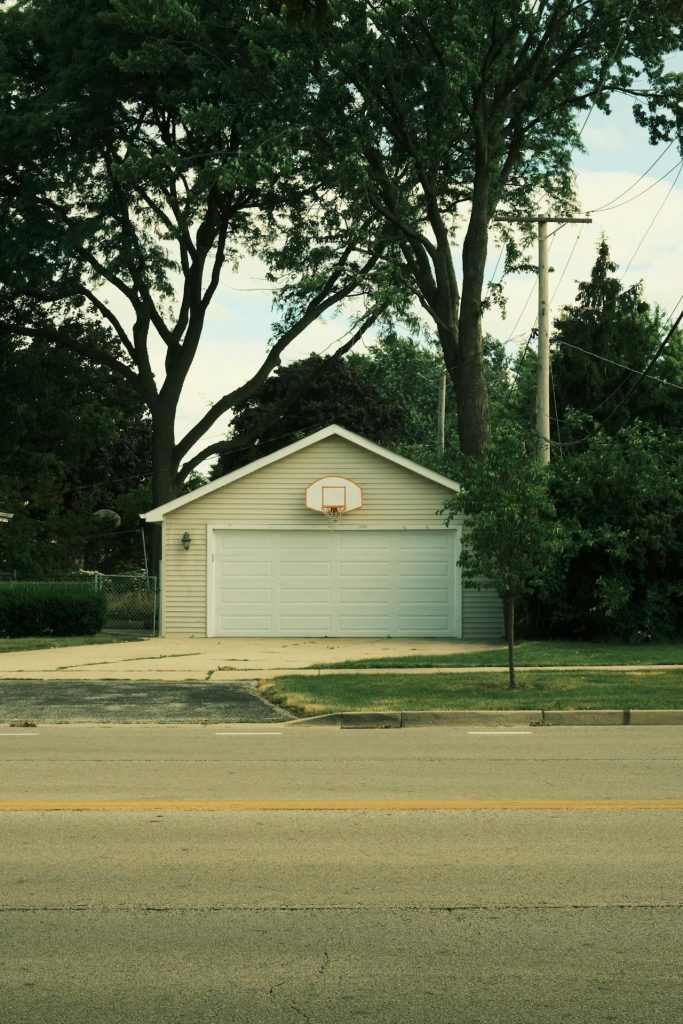
Garage door panels bend or crack when subjected to extreme force, neglect, or varying weather. You can identify dents caused by car damage, tool-inflicted harm, or stress from a malfunctioning opener. Metal panels can rust and weaken, and wood may swell or dry out. Old or thin panels lose strength sooner, and loose hinges or tracks create additional stress. If a garage door doesn’t open smoothly or hangs unevenly, panel damage can deteriorate. Cleaning and oiling your door regularly helps reduce the risk. Understanding why garage door panels bend or crack equips you to notice early damage and choose the appropriate repair. In the following sections, you’ll discover how to inspect for damage and how to prevent it from occurring.
Key Takeaways
- You can avoid the majority of garage door panel damage by steering clear of direct impact and keeping vehicles and heavy objects out of the vicinity of your garage door.
- Frequent checks let you detect early warning signs, like weird sounds, cracking, or warping garage panel doors, so it’s easier to fix minor problems before they escalate into big repairs.
- Save your panels from environmental stress by reinforcing them and weatherproofing, particularly in areas prone to severe heat or moisture.
- For garage door panels that are showing their age or have structural issues, it’s a question of whether repair or replacement delivers greater value and performance over time.
- According to industry experts and garage door repair specialists, it’s important to maintain a regular maintenance schedule to prevent bending and cracking of garage door panels.
- As you select panel materials, compare steel with aluminum and wood to strike the ideal mix of durability, maintenance, and weather resistance for your circumstance.

Why Do Garage Door Panels Fail?
Why Do Garage Door Panels Fail? Knowing these causes can help you identify issues early and maintain your door’s operation. From direct hits to slow wear, each kind of damage has its own warning signs and dangers.
1. Direct Impact
If a car bumps into your garage door, even at low speed, you’ll notice dents or cracks immediately. These collisions don’t necessarily have to be major; a bike or wheelbarrow can sometimes deliver enough force to make a dent. Heavy tools or equipment stored by the door may fall or press into the panels, causing cumulative damage. If the door keeps taking hits, be it from kids’ toys or parking errors, you’re susceptible to deep bends that compromise panel integrity. To mitigate accidents, be sure there’s adequate clearance around the door and maintain unobstructed walkways.
2. Environmental Stress
Garage door panels are under constant environmental stress. Extreme heat or cold forces materials to expand and shrink, which can lead to cracking in plastic or low-grade metal doors. Wood panels can swell with moisture or humidity, causing them to warp and create trouble closing the door. Heavy rain or snow can weigh on the panels and, at times, lead to sagging or breakage. You can assist panels in lasting longer by pre-reinforcing before bad weather strikes and inspecting for stress each season.
3. Material Fatigue
All door panels eventually wear out. You might see minor stress cracks or thinning in metal doors after years of constant use. Constant open and closing action and exposure to wind, rain, and sun cause it to become brittle or rusty. Bad materials indoors will fail faster if you neglect regular inspections. If you observe panels flexing or hear creaking noises, it could be time for a replacement to protect your garage.
4. Installation Flaws
Bad installation is a silent culprit. If panels aren’t flush or the tracks and hinges are loose, you may experience premature issues. Insufficient reinforcement causes panels to sag or bow, particularly if you store heavy objects overhead. Let only experienced garage door installers put in your garage door to ensure each panel fits and is safe.
5. Mechanical Strain
Weird noises upon opening or closing — think scraping or banging — can point to issues with your panels. You might observe dents, cracks, or areas that appear uneven. Sometimes the door becomes difficult to move or gets stuck. Watch for these early indicators and address problems before they get pricier to repair.
Identify Early Warning Signs
To identify early warning signs. Spotting the first signs of trouble in your garage door panels can save you from bigger, more expensive fixes down the line. A lot of problems begin as minor issues but intensify if ignored. Heat, cold, and even everyday use contribute. Listen carefully to what you hear and see, and how your door swings each day.
Strange Noises
Weird noises can be very informative. If you hear grinding or scraping, your panels may be misaligned or already damaged. Popping and cracking noises can indicate stress or weakness in the material, particularly following abrupt temperature shifts or bumps. Persistent rattling is typically indicative of loose bolts or other hardware, which can shake the entire system and cause bending or cracks over time. Note down these noises as you hear them, and if they change, you can provide accurate information if you need to call in a professional.
Visual Cues
Scout your panels regularly for dents, cracks, or other damage. Even small marks can develop into larger issues, particularly if your door consists of thin metal or subpar materials. Warping or bowing are indications that the panel is experiencing too much stress, either from heavy objects stored next to the door or from everyday use. Paint that chips or peels might indicate moisture seeping in or the beginning of rust, compromising the integrity of the panels. Maintain a basic photo log to monitor these changes and catch the patterns sooner.
Operation Issues
A garage door ought to go up and down easily, without pauses or jolts. If it sticks, binds, or stutters, you could have a larger problem, such as misalignment or a worn component. Occasionally, one cracked panel will overwork the others, exacerbating the problem every time you open or close it. Routine inspections and small measures, such as weatherstrips or oiled parts, can keep things humming along nicely and safely. Neglecting these from Tubes to Panels can transform a minor repair into a full panel replacement and escalate expenses.
The Domino Effect of a Single Damaged Panel
The domino effect of one damaged panel. A single damaged panel can throw off the balance of the whole door, spreading stress unevenly over the other panels and moving parts. This uneven stress can cause neighboring panels to begin bending or cracking, even if they initially appeared unaffected. If you miss that damage, costs can escalate fast. You could go from an easy repair to swapping out additional panels or the entire door.
That’s why it is so important to evaluate how bad the panel is. If the damage is small and your door is not too old, swapping out a single panel might save you some money. If your garage door is already aging or showing signs of wear, fixing one panel might just be a reprieve before the next one gives out. One old decal on a door facing aging or lighter spots that you might not notice at first can lead to further issues. If you continue to repair single panels, you could spend more on repairs over time than if you simply replaced the panels or the entire door.
Consider the vintage of your garage door. If your door is over ten years old, it’s wise to inquire if it’s time to replace the air every time a panel gets cracked or flexed. Older doors are prone to recurring issues, particularly if they’ve experienced harsh weather or have been poorly maintained. Routine inspections, lubricating the pivots, and bolting things tight can go a long way, but if you’re constantly hitting fresh cracks, the smarter option may be to upgrade.
It’s worth calculating. Sometimes, your new door or new set of panels costs less in the long run than continuing patchwork repairs. A newer door can withstand stress more efficiently, expend less energy opening and shutting, and potentially keep your space more secure. If you procrastinate even a little, you risk bigger problems, like your door giving up the ghost, which can be dangerous and inconvenient to repair quickly.

Repair or Replace?
When garage door panels bend or crack, do you repair or replace? Whether you should fix it or swap it out depends on the severity of the damage, repair costs, your door’s age, and the durability you desire going forward. Both are beneficial, but understanding when to repair or replace will save you time and money in the end.
When to Repair
If your garage door has light damage, such as a small dent or a slight crack, repair is often the most reasonable course of action. Minor problems don’t typically jeopardize the door’s integrity. For instance, if you observe that one panel has a slight bend but the rest of the door operates just fine, then a repair can bring back function and looks without breaking the bank. Depending on the material and labor, repairing a dented panel typically costs between $150 and $500, which is a fraction of the replacement cost for a new door.
Repairs are logical when they’re cheap. If you’re patching a panel and it’s costing you significantly less than replacement, then the repair is a smart choice. If your door is still under warranty, repairs may be covered, which will save you even more. Newer doors can be repaired instead of replaced, and this keeps your garage operating efficiently for years to come. Do hurry up. Postponing minor fixes can compound into major ones — more cracks, wonky move,ment or even door collapse. When you keep up with repairs, your door remains safe and dependable.
When to Replace
When the damage is extensive, like multiple panels that are cracked or buckled, or the door won’t open or close properly, replace it. Fixing tons of damage can be as expensive as a new door if not more, when more than one panel is damaged. If your garage door is old or you’ve had to repair it frequently, a new one could prevent recurring problems for good.
New doors made from contemporary materials survive much longer and take rough weather or rough use in stride. Upgrading leads to improved insulation and energy efficiency. If you reside in regions with freezing winters or intense humidity, a new door can handle those extremes without bowing or fracturing. Sometimes you can replace just one panel, but with lots of damage, replacing the entire door is more clever.
Prevention and Long-Term Care
To prevent repairs or replacement, maintain your garage door clean to prevent dirt and water from damaging the panels. Oil hinges, rollers, and springs keep the door operating smoothly and quietly. Set reminders to check bolts and look for worn parts. Scheduling inspections with a pro helps catch problems before they get worse. Adding weather stripping keeps out rain and cold, saving your panels from swelling or cracking.
A door that’s been lovingly maintained and installed by an ace pro ought to last for years. Neglect routine maintenance once, and you may be confronted with expensive repair bills or a new door earlier than anticipated.
Proactive Panel Protection
Garage door panels will endure longer and remain in good condition if you simply take some basic precautions. Staying on top of cleaning, lubricating the moving parts, and selecting the appropriate panel material all contribute. These habits aid in reducing bending, cracking, and other typical damage.
Regular Cleaning
Dirt, m, and grime accumulate quickly on garage door panels, particularly in humid or dusty areas. If you don’t clean them regularly, these deposits can hold moisture and stain or even crack over time. Wipe with a s,t damp cloth and mild soap diluted in water, or with a non-abrasive cleaner that won’t remove the finish. Avoid harsh chemicals or pads that scratch or wear down the surface. Scrub all sides of the panels, including edges and seams, to eliminate lurking dirt.
A checklist keeps you from missing any grounds. Include actions such as rinsing, mildew spot-checking, and metal wipe-downs. Finish by drying with a soft cloth to prevent water from soaking into the panels. Clean at a minimum once every few months or more if you live somewhere with copious rain or dust.
Lubrication Schedule
Grease all moving parts, including rollers, hinges, and tracks, so your garage door opens and closes without a hitch. Apply some high-quality, garage-door-safe lubricant that won’t attract additional dirt. Be on the lookout for squeaking or stiff components, which indicate it is time to re-lubricate. If parts grind or stick, act immediately.
Maintain a basic log or checklist, ticking off every lubrication. This log helps identify zones that require additional attention and guarantees nothing is missed.
Professional Inspection
Call in the experts once a year to inspect the panels and all moving components. Professionals can identify minor problems you might not notice, such as concealed cracks, flailing struts, or sagging springs. They inspect the door’s fit as well as the durability of reinforcing elements.
A pro can recommend repairs or enhancements, such as installing strut reinforcements or sealing. Save the inspection reports; they allow you to follow the door’s condition and identify patterns before issues escalate.
Material Selection and Upkeep
Garage door panels are available in steel, aluminum, and wood. Steel panels are rugged, dent-resistant, and pair well with insulation. Aluminum is lightweight and rust-resistant, but it can dent more easily. Wood paneling is attractive and insulates well, but requires sealant or stain every one to two years to prevent moisture penetration and warping.
Consider the climate in your area. In areas with a wide temperature range or lots of humidity, insulated steel or treated hardwoods fare better. Installing the door level and square, along with periodic inspection for damage, does wonders for panel longevity.
How Panel Material Matters
Your garage door panel’s strength, appearance, and longevity all depend heavily on the panel material. Each panel material can flex, crack, or deteriorate differently. Select a material that matches how you use your garage, your desired appearance, and your weather conditions.
Steel panels provide you with safe coverage. They resist dents and everyday bumps, so they outlive a lot of other kinds. Steel shrugs off a majority of ball, bike, and even mild storm strikes. It’s less prone to warping in big temperature swings. If your steel panels are thin or cheap metal, they’ll bend more easily than thicker, sturdier steel. Quality steel panels require less maintenance, but you should still inspect for rust and maintain clean panels to extend their life.
Aluminum panels are light and a breeze for openers to haul around. If your garage door opener is puny, aluminum helps maintain low stress and smooth operation. This lighter weight translates into less wear and tear on springs and tracks. Although aluminum doesn’t rust like steel, it can dent more quickly if it gets clobbered. It resists heat and cold quite well, though it is not as rigid as steel.
Wooden panels shine for their appearance. They infuse your home’s front with style and warmth, which is why so many choose them for their appearance. Wood can crack, warp, or rot if it gets wet a lot or sits in high humidity. If you live where it rains a lot or is damp, wood requires extra attention. Paint and sealants can protect wood, but you have to maintain it. Wood is not great at withstanding dramatic weather swings, and it tends to be heavier than steel or aluminum.
Other options, such as vinyl, fiberglass, and glass, each have their own unique combination of appearance and durability. Vinyl and fiberglass are weather-resistant and require minimal maintenance. They resist cracks and endure well in hot or cold weather. Glass looks beautiful, but it does not provide any impact resistance.
Choose your panel material according to what is most important to you: how much maintenance you want to provide, how strong the door needs to be, whether you want it insulated, and whether style matters more than strength. Certain materials withstand sun, rain, or snow better. Some require less repair but do not necessarily shine. Balance what you desire with what you require for less cracking and bending as the years roll on.
Conclusion
BENT OR CRACKED GARAGE DOOR PANELS Bent or cracked garage door panels usually indicate bumps, age, or weak points in the door’s structure. You may notice dents after a soccer ball hits the door or cracks from the sun and rain after years of exposure. Metal panels bend hard if a car hits them, while thin wood can crack with consistent moisture and warmth. Small dings can turn into big problems, so early inspections really go a long way. Proper maintenance and quality materials make your door sturdy and secure. Take a peek at your panels from time to time. You save time, cash, and stress by catching faults before they propagate. Have a panel that’s bent? Contact a pro for an immediate repair.
Frequently Asked Questions
What are the most common causes of garage door panel damage?
Garage door panels bend or crack for a variety of reasons, including accidental impacts, weather extremes, neglect, or age. Routine inspections catch these problems early.
How can you tell if a garage door panel is about to fail?
Check for indicators such as visible cracks, bends, rust, or noisy operation. Tackling these early can keep bigger issues at bay.
Is it safe to keep using a garage door with a damaged panel?
Leaving a bent or cracked garage door panel unattended can result in additional damage, pose safety hazards, and even increase repair costs. It’s preferable to fix or change it swiftly.
Should you repair or replace a bent or cracked panel?
If the damage is minimal and confined to a single panel, it might be possible to repair it. If there is severe damage or multiple panels, replacement is typically the better option.
How do different materials affect garage door panel durability?
Steel and aluminum panels resist bending but can dent. Wood panels can crack in extreme weather. Select a material that will fit your climate and requirements.
Can regular maintenance prevent garage door panel damage?
Yes. Keeping your garage door clean, lubricated, and well-inspected will keep it from suffering damage. Timely repair of minor problems maintains your garage door’s safe and smooth operation.
What happens if you ignore a single damaged garage door panel?
One bent panel ignored will stress other panels and hardware. This frequently results in more expensive repairs and can reduce the lifespan of your full door.
Transform Your Home With Garage Door Panel Replacement and Cosmetic Upgrades
Your garage door plays a huge role in your home’s curb appeal. When panels are dented, cracked, faded, or outdated, they can make the entire exterior feel tired, even if the door still works. Replacing panels or upgrading the look of your garage door is one of the fastest ways to refresh your home without the cost of a full replacement.
Bay Area Doors has spent more than 20 years helping homeowners across the San Francisco Bay Area restore and upgrade their garage doors. We specialize in garage door panel replacement and cosmetic upgrades that improve appearance while preserving the strength and performance of your existing system. From matching individual panels to updating finishes, windows, and design details, we focus on solutions that make your door look new again.
We walk you through every option. That includes evaluating whether panels can be replaced individually, identifying compatible styles and materials, and recommending upgrades that fit your home’s architecture and budget. Our goal is to give you a clean, cohesive look without unnecessary replacements.
Our technicians handle every project with precision and transparency. You get clear recommendations, quality materials, and workmanship backed by our guarantee. Homeowners throughout the Bay Area trust Bay Area Doors to deliver garage door upgrades that enhance curb appeal and add long-term value.
If your garage door looks worn, damaged, or outdated, contact Bay Area Doors. We’ll help you refresh your home with expert panel replacement and cosmetic upgrades that make a visible difference.
Disclaimer:
The information provided in this article is for general educational and informational purposes only. Garage door repair and panel replacement can be dangerous, especially when dealing with springs, heavy panels, or electrical components. Always exercise caution and follow proper safety protocols. The author and publisher are not responsible for any injury, property damage, or other consequences resulting from the use of this information. For safe and effective service, consult a licensed garage door professional or manufacturer before attempting any repairs. Prices, materials, and procedures may vary by location, brand, and door type.