
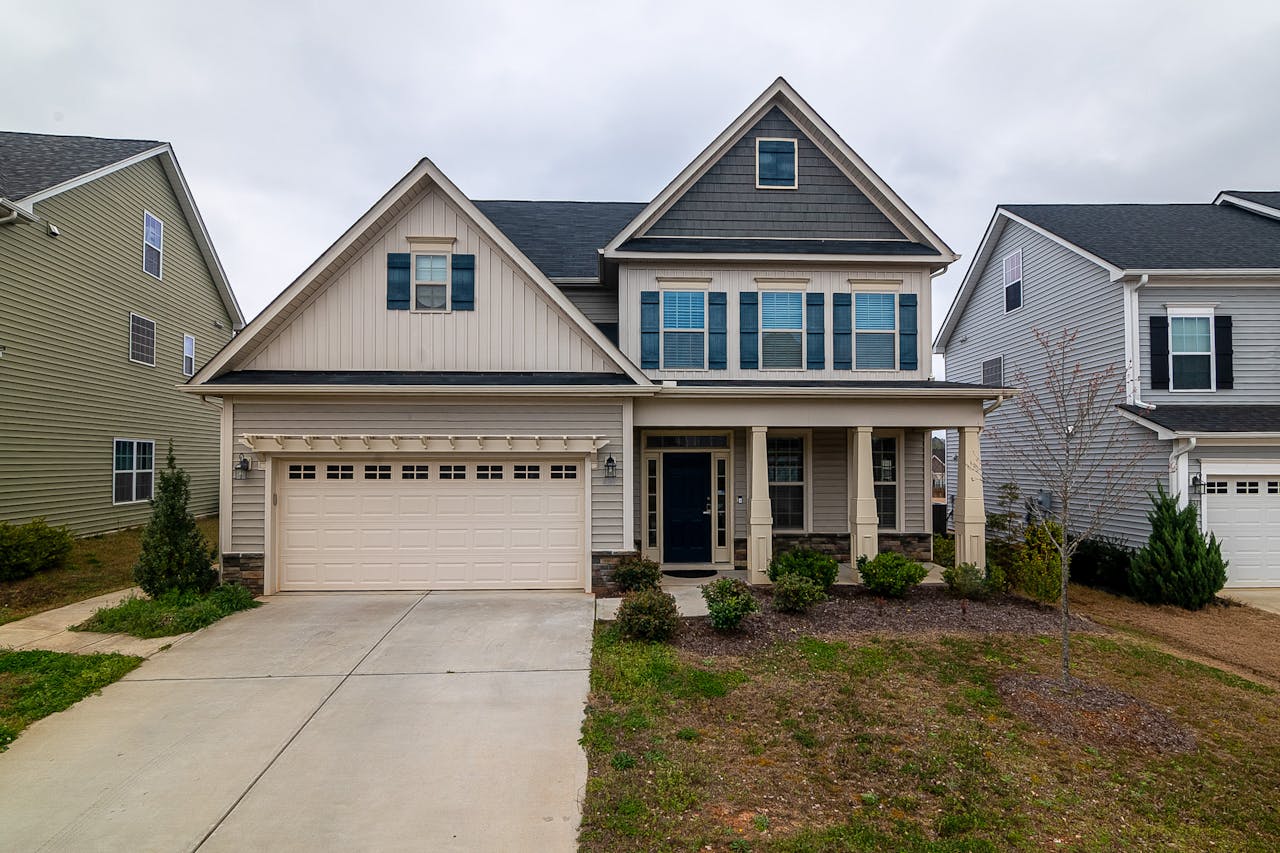
Steel, aluminum, and wood are the top garage door materials for style and long-term durability. Steel is the most popular because it is durable and requires little maintenance. Aluminum is good for homes in wet or salty air because it will not rust, and it is available in a variety of shapes and colors. Wood is favored for its authentic appearance and cozy texture, providing residences with a timeless elegance, yet it can require additional maintenance to prevent deterioration from the elements. Each material offers its own aesthetic, price, and maintenance requirements. To assist with locating the best match for your space, the key flesh will demonstrate how these materials perform in everyday life, their expense, and durability.
Key Takeaways
- Once you know the advantages and disadvantages of each garage door material, you can select an option that optimally balances style, durability, and upkeep.
- Steel and fiberglass lead for durability and security, particularly in harsh climates or areas with severe weather. Wood and wood composite lead for classic looks and maintenance levels.
- Aluminum and vinyl offer lightweight, economical options with great corrosion resistance and are ideal for humid or coastal areas.
- Insulation capabilities vary greatly between materials, and opting for well-insulated doors can go a long way toward increasing energy efficiency and comfort in either hot or cold climates.
- When choosing your garage door material, you should consider how it will be affected by your local climate, as well as performance features like sound dampening and impact resistance for durability and longevity.
- By prioritizing quality and working with professionals, you’ll make sure to select a garage door that enhances your home’s curb appeal, performance, and overall value for years to come.
Beyond The Obvious Materials
Beyond traditional steel and wood, a few other garage door materials provide a balance of style, durability, and environmental perks. For homeowners looking for standout looks or a more eco-friendly option, these unconventional materials, such as full-view glass, corten st, ee, or reclaimed materials, deliver more than curb appeal. They fill practical needs as well, whether it’s more effective natural light, energy efficiency, or lower environmental impact.
Full-View Glass
Floor-to-ceiling glass doors have become an icon of contemporary design. Their transparent panels admit natural light and dissolve the boundary between inside and outside, rendering garages open and luminous. Frosted or tinted glass choices assist in maintaining privacy while letting in light, discovering a balance between openness and seclusion. Glass doors with thermal breaks or insulated glass units can reduce heat loss and keep garages more comfortable year-round, a significant consideration for spaces connected to living areas. Glass is easy to clean but does require some maintenance to keep it looking its best. Glass is easier to break than steel or wood, but the combination of sturdy frames or tempered glass can make it much stronger as well.
Corten Steel
Corten steel is known for its rustic, industrial aesthetic. Over time, it develops a natural rusting layer that serves as a barrier to additional rusting. This is what makes it a wise choice for coastal or humid climate homes, where standard steel could deteriorate quickly. The rusty patina pairs beautifully with contemporary or industrial styles, providing daring, unique edges to homes. Corten is pricier than many common materials at first, but it endures and requires less maintenance over the years.
Material | Initial Cost (USD/m²) | Expected Lifespan | Maintenance Needs |
Corten Steel | 210–310 | 30+ years | Low |
Standard Steel | 120–200 | 15–20 years | Medium |
Wood | 180–250 | 10–15 years | High |
Reclaimed Materials
Garage doors made from reclaimed wood or metal have a unique appeal. Each item has a tale to tell and shimmers with natural scuff or patina that nothing new can imitate. Employing reclaimed materials equals less waste and a smaller carbon footprint, which counts for homeowners eager to build a little greener. These doors tend to flex their rustic or vintage muscles, ideal for houses that crave warmth or personality. One disadvantage is that it can be difficult to source enough good reclaimed wood for bigger doors, and maintenance can be more intensive to prevent additional weathering or harm.
How Climate Dictates Choice
Homes play a role in our garage door material selections — it’s not all about style matching. Here’s how your climate dictates your choices. Varying climates, from sticky coasts to bitterly cold or gusty cities, place a particular strain on garage doors. Each climate poses its own difficulties regarding durability, maintenance, and long-term cost of a material. To pick the right material is to balance the assaults of heat, cold, wind, and moisture to keep the garage secure and comfortable.
Coastal Humidity
Salt air and high humidity near the ocean can be punishing on garage doors. Metal parts might rust, and wood could rot or warp if not well-maintained. Aluminum and fiberglass are intelligent choices in this regard. Both resist corrosion better than steel, and fiberglass maintains its appearance without warping or peeling. Wood doors can continue to function in these locations, but they require sealant and annual maintenance to prevent rot. You can mix style with strength and select doors with powder-coated finishes, composite overlays, or marine-grade hardware. These upgrades keep doors looking fresh while braving the elements.
Extreme Temperatures
Heat waves and freezing winters test garage doors. Steel, aluminum, and wood all respond differently. In hot regions, lighter colors and insulated steel doors prevent heat accumulation. Cold climates demand R-12 or better doors for maximum insulation and energy efficiency. Insulated garage doors do not just keep the heat and cold out; they cut noise, too! Materials such as polyurethane-filled steel panels endure temperature fluctuations and will not bow or break from shrinking and swelling. Doors in snowy locations must be much more heavy-duty and moisture-resistant. Otherwise, cables and rollers can slip.
High Winds
Locations affected by wind or storms require forced garage doors. Steel and fiberglass are typically the plug-in picks because they’re sturdy and can take a beating. Reinforced panels and extra bracing provide additional reassurance, particularly in hurricane or typhoon-prone areas. Design elements such as wind locks or extra hinges help doors resist blowing in or bending. Sometimes local codes require additional hardware or unique installation techniques to keep doors tight during wind gusts.
- Long-term climate impacts on garage door materials:
- Sun and heat can fade finishes and create warping.
- Rust from salt air truncates the life of unprotected metals.
- Cold and snow can strain cables, springs, and tracks.
- High winds can cause doors to blow off if they aren’t reinforced.
- Wood requires more maintenance, including regular cleaning and sealing in humid or wet climates.
- Insulation breaks down more rapidly in climates with large temperature fluctuations.
The Unseen Performance Factors
Garage doors open and close. There’s more to these doors than meets the eye. Their composition and construction influence how effectively they insulate, muffle, and safeguard a house, especially in city and mixed weather environments. Aspects like energy efficiency, noise reduction, and impact resistance define the long-term value and everyday comfort of a garage door. These are the unseen performance factors that can really make a difference for any homeowner or property manager.
Insulation Value
Garage door insulation value is key to maintaining consistent temperatures, particularly if your garage is adjacent to or underneath a living area. Well-insulated walls hold the heat in during winter and keep it out during summer. Polyurethane foam, for instance, provides better thermal insulation than polystyrene, while both are far more effective than one-layer steel or wooden doors. Well-insulated doors can reduce energy bills by minimizing heating and cooling requirements. In cold climates, a moisture barrier and insulation let you avoid mold and rot. Without good insulation, a garage can easily become a weak link in a home’s energy system.
Sound Dampening
Noise control is important for houses close to busy roads or in compact communities. Insulated steel or composite panels, for example, mitigate noise from the outside environment and the door itself in operation. Solid core designs or rubber gaskets reduce rattling and echo. Lightweight metal or hollow doors can cause garages to be noisier.
- Less external noise penetrates into living areas, encouraging a more peaceful home.
- Quieter operation is great for workshops or gyms based in garages.
- Minimizes disruptions for homes with bedrooms adjacent to or above the garage.
- Contributes by turning the garage into a more versatile area.
Impact Resistance
Impact resistance is important in storm or high-wind areas and comes into play for those common bumps from sports equipment or a car door. Steel and fiberglass are more resistant to dents and flying debris than wood or aluminum. Vinyl and composite doors resist cracking, fading, and rust, reducing maintenance and keeping doors looking newer longer. Higher impact-rated doors could lower insurance rates because they lessen the risk of damage from storms or accidents. For families with kids or those keeping precious heirlooms, the extra security is often crucial.

Balancing Budget And Longevity
Picking the perfect garage door material involves a trade-off between initial costs and longevity. Homeowners tend to begin with price. Vinyl and non-insulated steel are the low end. Both are inexpensive in the beginning. Vinyl distinguishes itself by being durable, great in rain or shine, and easy to maintain. Non-insulated steel is favored for its strength and easy maintenance. Both fit tight budgets, but each has trade-offs. Vinyl doesn’t provide as many design options, and non-insulated steel won’t retain heat as insulated steel, which is a concern in northern states.
Steel doors are a fave for a reason. Ordinary steel is budget-friendly and requires minimal maintenance. Insulated steel is more expensive initially, but it will save energy and keep the garage warmer in colder climates. This is what makes insulated steel a savvy choice for those looking to balance budget and longevity. Fiberglass is yet another option. It is more expensive than vinyl or plain steel, but it really takes the brunt of the weather and maintains its appearance with minimal effort. Others will pay a premium for fiberglass or insulated steel because they would rather the door last longer and require less maintenance.
Wooden garage doors are difficult to surpass in appearance. They can be molded or painted to suit any house style. Wood requires maintenance, routinely being sealed or painted to prevent rot or harm from rain and sun. This contributes to the expense per year. Glass doors are sleek and allow light, but they’re expensive and not so great at insulation.
When picking a material, think about these questions:
- What is your budget for both buying and upkeep?
- How much of a budget do you want to allocate for repairs or paint?
- Do you require additional warmth, or is fashion a higher priority?
- Will the door be exposed to harsh weather, such as snow or sun?
- How many years in the home?
My Personal Recommendation
Choosing the proper garage door material is not just a style decision. It’s a choice that affects durability, maintenance, and comfort. Garage doors play a larger role in houses worldwide! They’re thresholds and thermal breaks, and even architectural accents. Each material has its place depending on climate, style of architecture, and lifestyle. Steel garage doors are notable for durability, minimal maintenance, and a reasonable price. They accommodate most home styles and have become popular for their sturdy construction and low maintenance. They fit in with mixed weather. For those of us in inclement climates, insulated steel or aluminum doors maintain indoor equilibrium by quashing heat or chill. With insulation that’s off the charts, these doors aren’t just doors; they’re shields against wasted energy.
Wood garage doors provide the richest variety of appearances and forms. If the style range is most important, then wood is best. Homeowners can customize design elements, from traditional panels to bold modern lines. Wood requires more attention than metal or vinyl and is less suitable for damp or warm environments. Composite garage doors combine wood’s appearance with contemporary durability. They do not dent, rust, or warp. That makes them a great bet for style-conscious homes without the hassle of authentic wood. Vinyl is a clever choice for hard areas. It is weatherproof, seldom chips, and requires minimal maintenance. It is ideal for those wanting a set-and-forget approach.
Glass garage doors have increased in popularity and not just for aesthetics. They come in handy for contemporary builds and for rooms that serve as a gym or workshop. The natural light is a bonus, albeit these doors can shatter and cost more to repair. Still, for homes where style and light count, glass doors are just the thing.
Go with what suits your own taste and home decor for the final selection. Some crave warmth, some crave a contemporary edge. Quality and function should always come first. Lower up-front costs can lead to more costs or work down the road. A chat with a garage door expert helps figure out the perfect fit for every home.
Conclusion
To choose the perfect garage door, consider how each material fares against the elements and fashion. Steel endures better in damp locations. Wood complements traditional homes and exudes character, yet it requires increased maintenance. Aluminum resists rust and stays light, which is good for big doors. Fiberglass does not warp and holds its shape in the sun or salt air. Every option has compromises. Consider your local climate, the maintenance you are willing to provide, and what complements your home’s aesthetic. For the majority of homes, steel or wood works best. Peep all your choices before you buy. Curious to learn more or share your own pick? Leave a comment or contact us with your questions.
Frequently Asked Questions
1. What Are The Most Popular Garage Door Materials For Style And Durability?
Steel, wood, and aluminum are the most popular. Steel is a favorite because it’s strong and low-maintenance. Wood provides a timeless appearance and requires maintenance. Aluminum is light and won’t rust.
2. Which Garage Door Material Lasts The Longest?
Steel garage doors typically last the longest. They are dent-resistant, don’t rot, and with a proper rust coating, require minimal upkeep.
3. How Does Climate Affect Garage Door Material Choice?
In humid or coastal areas, aluminum resists rust the best. In dry and cold climates, steel and insulated doors do fine. Wood works best in mild climates with low moisture.
4. Are There Eco-Friendly Garage Door Material Options?
Yes, a few manufacturers provide doors constructed of recycled steel or sustainable wood. Composite materials can be both green and long-lasting.
5. What Material Is Best For Insulation?
Insulated steel garage doors are the most thermally efficient. They do a lot to help keep garages cooler in the summer and warmer in the winter, boosting energy savings.
6. How Do I Balance Cost And Durability In Garage Door Materials?
Steel doors are economical and long-lasting. Aluminum is inexpensive and easy to maintain. Wood is pricier and requires maintenance, but carries a lot of style.
7. Can I Customize The Look Of My Garage Door Material?
Yes, you can customize most materials with finishes, paint, or windows. Wood has the widest style options, but steel and aluminum have many contemporary choices.
Transform Your Home With Garage Door Design That Boosts Curb Appeal
Your garage door isn’t just a way in and out—it’s one of the first things people notice about your home. The right design can dramatically improve curb appeal, add value, and give your property the polished look it deserves.
For over 20 years, Bay Area Doors has been helping homeowners across the San Francisco Bay Area upgrade to garage doors that fit their home’s style perfectly. From sleek modern panels to timeless carriage designs, we install doors that enhance your home’s exterior and reflect your personal taste.
With options in colors, materials, windows, and decorative hardware, we’ll help you find a garage door that ties your whole property together. Our expert team makes the process simple and stress-free, delivering quality installation backed by our workmanship guarantee.
Trusted by thousands of Bay Area homeowners and backed by five-star reviews on Google, Yelp, and Nextdoor, Bay Area Doors is your local partner for stylish, lasting garage door upgrades.
Ready to boost your curb appeal? Contact Bay Area Doors today and see how the right garage door design can transform your home.

