
Garage door opener safety requirements help you protect your home and loved ones. You gotta be aware of automatic reverse features that stop and reverse the door if it hits something. Photo-eye sensors should function and remain unobstructed as they reverse the door if anything interrupts the beam. Wall controls must be installed at heights so that small children cannot reach them. Emergency release cords allow you to open the door manually in the event of a power outage. Routine inspections of cables, springs, and sensors keep your opener secure and operational. Federal and local laws typically establish these standards for residences and businesses. The following paragraphs explain each regulation in detail, so you’ll know what to inspect and how to keep yourself safe.
Key Takeaways
- Test your garage door’s reversal system, photo-eye sensors, and force settings regularly to keep them functioning properly.
- Learn along with your family how to utilize the manual release and disengagement cord so you can safely open and close the door in emergencies and power outages.
- Maintain all safety sensors clean, aligned, and unobstructed to ensure that your garage door senses any impediments and avoids accidental injuries or damage.
- Think about contemporary enhancements like rolling code technology, battery backup, and smart integration to make your garage door safer and more secure.
- Teach everyone in your family, even your children, about garage door safety and make it a habit to review safety tips regularly.
- Plan on annual professional inspections and attend to any obvious signs of wear or malfunction immediately to stay in line with present safety requirements.
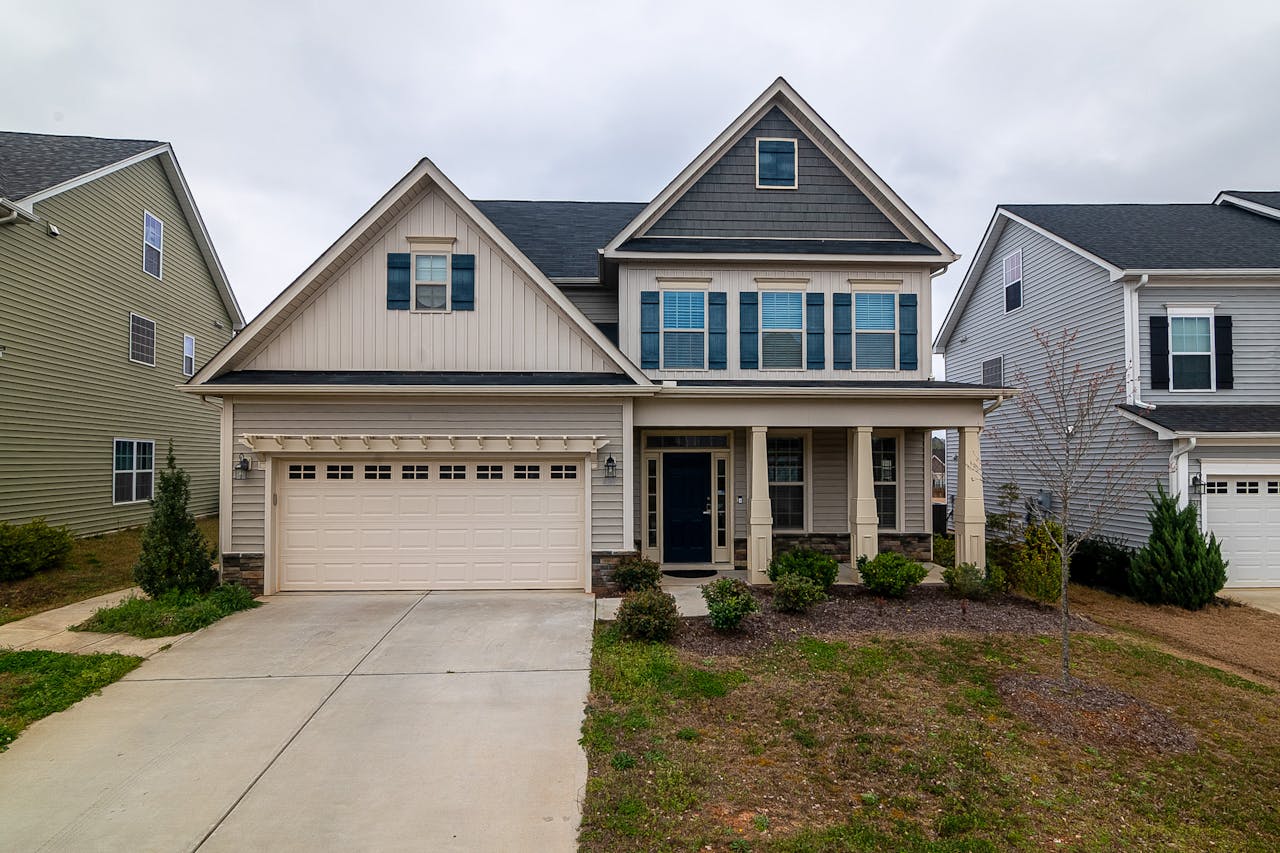
Core Garage Door Opener Safety Requirements
Garage door opener safety isn’t just a list. It’s about compliance with worldwide standards and safeguarding every user of the space. Since 1993, UL 325 has raised the bar for residential garage doors by mandating auto-reverse and entrapment protection features. These standards are global for every opener manufactured after January 1, 1993.
1. Reversal System
If it hits something, the reversal system stops and reverses the door. It’s not a gimmick; it’s mandated by UL 325 and the law in many countries. To make sure yours works, do an obstruction test: place a small object, like a block of wood, in the path and close the door. The door needs to cease and rebound up. If it doesn’t, or if it pauses before reversing, the system could be non-compliant. Check the track for anything that could obstruct its reversal. Know your local flip code; some locales have their own safety standards. Any defective components require prompt repair to prevent harm or legal issues.
2. Photo-Eye Sensors
Photo-eye sensors straddle both sides of the garage door, no higher than 15 cm above the floor. They cast an invisible beam across the opening. If that beam is interrupted, the door should cease closing. Clean the lenses with a soft cloth, as dirt or dust can block the beam. If the sensors aren’t aligned, they won’t operate. If the door refuses to close and the opener light blinks, realign the sensors. You can test the sensors by waving a stick through the beam. The door should react quickly. These sensors act as your own personal first line of defense against accidents.
3. Manual Release
Manual release is for emergencies, such as power outages or a jammed door. Test out pulling the cord so you’re familiar with it. It should be easy to reach and not be obstructed by storage or boxes. Look for any cords that are frayed or have bent levers. Be sure to educate everyone at home on its safe use. If you have guests or kids, talk them through it, just in case.
4. Force Setting
Force settings regulate the force with which the door pushes or pulls. Excessive force can lead to injury or damage. According to Core Garage Door Opener Safety Requirements, follow the manufacturer’s manual to set limits. After adjusting, test by grabbing the door as it closes. It should halt if you hold it. If it’s not, the force is too high. Watch for odd sounds or door motion. If uncertain, call a pro to check.
5. Wall Control
Wall controls must be a minimum of 1.5 meters above the floor so that adults, but not children, can reach them. The close button bulkhead must be labeled clearly. Test it every month to be sure it works without delay. Maintain a clear area around the control. Boxes, bikes, or tools can obstruct you when you need access in a hurry. Most importantly, remind everyone at home to only use the wall control when they can see the door.
How Safety Mechanisms Function
Even the most basic garage door opener depends on a series of safety mechanisms that collaborate to minimize harm to people and damage to belongings. These mandated safety features employ simple yet robust engineering to detect obstructions, halt the door, and permit manual operation in emergencies. A little understanding of how these systems operate can help you keep your garage door safe for the whole family.
Obstruction Sensing
Obstruction-sensing technology is designed to prevent accidents by causing the door to stop and reverse when it encounters an obstruction. Typical blockages are bikes, tools, pets, or one rogue shoe. Garage door openers have had to have an auto-reverse feature since 1991 for this reason.
To test your system, set something like a roll of paper towels or a piece of wood about 5 inches high in the door’s path and confirm that the door reverses. If not, your safeties are probably broken, and you need to get them fixed soon.
Have everyone in your household aware of leaving the area in front of the garage door clear. Be sure that your family, including your children, understands why it’s so critical not to leave anything near the opening. If the obstruction sensor malfunctions or fails, this can cause serious injuries or damage. Always get it fixed immediately.
Infrared Beams
Infrared beams, or photoelectric sensors, lounge on either side of the garage door approximately 6 inches from the floor. They project a beam across the entrance. If something breaks that beam, the door pauses and reverses closing. This system has been mandated on new openers since 1993 in the US.
Make certain sensors are aligned and span the entire width of the door. If the door won’t close, check to see if the sensors are obstructed, dirty, or misaligned. Clean the lens with a dry cloth and clean out any dirt or debris regularly. Infrared beams provide an additional safety buffer in case kids or pets dart under a descending door.
Disengagement Cord
The disengagement cord is a red handle or rope that dangles from your opener’s trolley. You ought to be aware of its location and ensure that it is accessible without difficulty. It allows you to manually open the door in the event of a power outage or opener malfunction.
Troubleshooting the disengagement cord:
- Make sure the cord moves smoothly when pulled
- Make sure it completely disconnects the opener from the door.
- Test the manual release every few months
- Replace the cord if you see fraying or cuts
Show all to use the cord safely during emergencies. If the cord appears frayed or damaged, replace it as soon as possible to stay on the safe side. This simple measure prevents you from being locked in or out of your garage during a blackout.
Modern Safety Enhancements
Today’s garage door openers have evolved beyond mere convenience to become safety systems. You’ll get such modern safety enhancements as sensor-based auto-reverse, rolling code technology, battery backups, and smart home integration. These enhancements aren’t fads—they’re baseline security features and what you should anticipate from any new solution. Here’s what you should know about each of these major enhancements.
Rolling Code Tech
Rolling code technology protects your garage door from being hacked as the access code changes with every use. This makes it infinitely more difficult for someone to clone or hack your remote, as the code is always changing. It is one of the best shields against the increasingly prevalent code grabbers. Be sure to update your opener’s software when prompted to keep the safety mechanisms up to date. It keeps out break-ins that take advantage of static codes, a hole in vintage systems. Ensure your family utilizes secure remotes only and does not share access codes externally.
Battery Backup
Battery backup allows your garage door to operate even during a power outage. This matters not only for ease of use but for security, particularly if you require quick reach in emergency situations. Check your battery backup every few months to ensure it is charged and primed. Maintenance is simple: check the battery indicator, replace as needed, and keep the contacts clean. Demonstrate to everyone in your household how to access the manual release and manually open the door during a power outage.
Smart Integration
Smart garage doors open, close, and monitor your garage from your phone or tablet. You can receive alerts if the door has been left open or if the sensors are malfunctioning. Most smart openers will let you integrate the opener with your home security, so you can manage it all from one app. Schedule a nightly routine so the door shuts automatically at a predetermined time. New features continue to appear, such as voice control and enhanced app security. Stay updated to take advantage of these.
Safety Feature | Benefit | Example Use |
Rolling Code | Stops code theft, boosts entry security | Prevents hacking |
Battery Backup | Works during outages, adds reliability | Offers peace of mind |
Smart Integration | Remote control, real-time alerts | Remote lock/unlock |
Auto-Reverse Sensors | Prevents injury or damage | Stops if blocked |
Photoelectric Sensors | Legal requirement stops accidents | Senses movement |
The Human Factor in Safety
The human factor in garage door accidents is usually the culprit, whether that be garage door misuse or neglected maintenance. Not all of them are due to outright negligence; many are pinched fingers or crushed limbs. Distraction, rushing, or exhaustion can contribute to the danger. Not even the most advanced safety features can substitute careful, informed use. By cultivating safety as a family value, you reduce the risk of injury and defend against overreliance on technology.
User Complacency
Complacency sets in when you begin to think safety features suffice. This attitude can cause you to miss checks or overlook minor problems with your garage door. Staying alert is the human factor. Make a habit of safety checking, like the auto-reverse, at least monthly. To test, slip a 2 by 4 under the door and see if it stops or reverses when closing. Engage your family. Get them to pipe in about anything unusual, so nothing falls through the cracks. To build a culture of safety means discussing risk and prevention frequently, not just post-facto.
Uninformed Operation
Properly training all users is a must. Demonstrate to everyone in your household how to operate the opener, such as the safety release and emergency stops. Written steps posted near the control panel help reduce confusion. If anyone wonders, respond immediately. Ensure that everyone knows the function of every safety feature, such as the photo-eye sensors that prevent the door from closing if something is underneath it. Accidents decrease when everybody has the fundamentals and the why.
Child Awareness
Kids are particularly at risk with garage doors. Let them know why they should never play near or under a moving door. Establish strict guidelines, such as no running in and out as the door closes and no pushing buttons without an adult. Involve kids in safety checks. Let them experience the door and the pinch points. Put stickers or signs as reminders at the child’s level. Such easy measures raise consciousness and save injuries.
- Pick a time with all family members present.
- Share why garage door safety matters using real examples.
- Show and explain each safety feature and its use.
- Answer questions and clear up confusion.
- Set clear rules for operation and emergencies.
- Schedule regular discussions to keep safety top of mind.

Your Role in Maintenance
Being on top of garage door opener maintenance is the best way you can reduce risks and keep the system working right. Routine maintenance reduces the risk of unexpected failures and assists you in identifying minor problems before they become major fixes. A good plan means you test the opener, rails, belt or chain, and sensors. You tweak belt tension annually and reboot the Wi-Fi module every six to eight months. Seasonal checkups count, particularly if your opener is old or if you live in a severe climate. Schedule a professional tune-up once a year, preferably in the spring or fall, and request a tune-up report. Every two to three years, schedule a safety upgrade checkup.
Key maintenance tasks:
- Tighten bolts and screws
- Lubricate hinges, rollers, and tracks
- Test the safety reversal system monthly
- Check and realign sensors
- Inspect for rust or loose wires
- Clean lenses and covers
- Reset Wi-Fi module (every 6–8 months)
- Adjust belt or chain tension yearly
Knowing common garage door problems, such as worn springs, noisy doors, or slow closing, makes you proactive. That way, if you maintain a log of your maintenance and repairs, you can identify patterns and provide specific details when you take your bike for service.
Monthly Reversal Test
It’s your responsibility to perform a monthly reversal test, which ensures your garage door will stop and reverse if it hits something. Stick something like a block of wood under the door. It should stop and reverse when it comes in contact. Write down the date and results so you can keep an eye on changes. If the door doesn’t reverse, get it repaired immediately to be safe. Get everyone around your house involved so they understand what to do and why it’s important.
Sensor Alignment Check
Verify that both sensors are aligned and facing each other with unobstructed paths. If the door won’t close or the light blinks, center the sensors by moving their brackets. Educate your family to be on the lookout for blinking lights or warning beeps, as these commonly signal that the sensors require some attention. Record every sensor check in a log to find out if issues recur.
Visual Component Inspection
Spend some time inspecting the opener, rails, and all moving parts. Inspect for rust, worn rollers, frayed cables, or loose wires. If you notice any wear and tear, schedule repairs or replacements soon to prevent greater dangers. A visual inspection allows you to identify hazards that others may overlook, preventing injury before it happens.
When to Upgrade Your System
Garage door openers aren’t eternal. Most models are good for 10 to 15 years, but safety standards and tech can shift a lot quicker. To keep your garage safe, test your opener regularly. If your opener is loud, quits at the weirdest times, or is more than 10 years old, begin considering a replacement. Openers made before 1993 likely don’t have sensors to stop if something is in the way. These sensors have become industry standard and save lives; thus, any opener that does not have them is not considered safe to use on an everyday basis.
New openers have additional safety accessories. For instance, a few have automatic reverse features that stop the door and make it go back up if it slams into something. Others employ rolling code technology, which changes the door’s access code with each use. This helps keep break-ins less probable. If you have kids or pets, they can reduce the chance of mishaps in your garage. Some new versions will even allow you to monitor or control your door from your phone, so you’ll always know if it’s open or closed.
Keep up with garage door safety changes. New safety rules and options are published frequently. When you start noticing things like persistent sensor errors, despite cleaning and adjusting them, it’s a good sign your opener isn’t functioning correctly. Maimed doors from break-ins may require more than a patch. Here, a new opener can help you get compliant with today’s safety standards and secure your home.
It’s wise to have a garage door professional inspect your system about every 2 to 3 years. They can identify weak points or outdated components that you might overlook. They can check safety features, such as the auto-reverse, to ensure they function correctly. If your opener flunks these exams a couple of times, it’s time to invest in a new system that’s up to date.
Conclusion
Garage door opener safety rests on actual measures you can implement. You get peace of mind with functioning sensors, user-friendly controls, and the occasional test. New openers have robust capabilities, such as auto-stop and rolling codes. These devices protect from the majority of hazards. Your part remains essential. Test your safety features monthly and replace worn components. Identify problems early and respond fast. Worn gear is a safety hazard, so choose a new opener if yours gets left in the dust. You assist in maintaining your area secure for all to come and go. For additional advice or assistance with your installation, contact a local professional or consult reliable online resources. Be aware, be safe.
Frequently Asked Questions
1. What safety features must a garage door opener have?
Your garage door opener needs to have auto-reverse systems, photoelectric sensors, and manual release mechanisms. These features keep you and your family safe from injuries.
2. How do auto-reverse mechanisms work?
Auto-reverse mechanisms sense an obstruction in the door’s path. If anything obstructs the door, it reverses. This safeguards you, kids, and animals from harm.
3. Why are photoelectric sensors important?
These photoelectric sensors employ light beams to sense objects under the door. If this beam is broken, the door will not close. This avoids unintended harm to your people or property.
4. What should you do if your garage door opener is old?
If your system doesn’t have these safety features, upgrade it. Newer models satisfy current safety standards and provide better protection for your family.
5. How often should you test your garage door safety features?
Test your door’s safety features once a month. Routine checks assist you in identifying both minor and major problems before they have a chance to escalate for a safer, more dependable system.
6. When should you call a professional for maintenance?
Call a pro if your door doesn’t reverse when tested or if sensors aren’t working. Professional assistance ensures your system is secure and up to code.
7. What is your responsibility in garage door opener safety?
You are responsible for routine inspections, testing safety features, and maintaining clean sensors. With the proper care, your system will continue to work properly and keep everyone safe.
Transform Your Home With Garage Door Safety Standards and Code-Compliant Protection
A safe garage door protects your family, your property, and your peace of mind. It’s more than a moving panel. It’s a system that needs to meet strict safety requirements, respond correctly in emergencies, and stay reliable day after day.
Bay Area Doors has spent more than 20 years helping homeowners across the San Francisco Bay Area stay compliant with the latest garage door safety standards. We install and service doors that follow California’s required safety features, including photo-eye sensors, auto-reverse systems, proper force settings, and updated opener technology that meets federal guidelines.
We guide you through everything you need to keep your garage door code compliant. That includes evaluating older systems, checking for outdated parts, upgrading to modern safety components, and confirming that your door meets current regulations for homes, rentals, and HOA communities.
Our technicians handle the work with care and clarity. You get honest guidance, transparent recommendations, and installation backed by our workmanship guarantee. Thousands of Bay Area homeowners trust Bay Area Doors for safe, compliant, and reliable garage door systems.
If you want a garage door that protects your home and meets today’s safety requirements, contact Bay Area Doors. We’ll make sure your system is compliant and operating the way it should.
Disclaimer:
This article is for informational purposes only and is not a substitute for professional advice. While we strive to provide accurate and up-to-date information regarding garage door auto-reverse safety features, homeowners should always follow manufacturer instructions, local building codes, and safety regulations. Do not attempt repairs or adjustments that you are not qualified to perform. For maintenance, inspection, or repair of garage door systems, always consult a licensed and trained technician. The author and publisher are not responsible for any injury, property damage, or legal consequences resulting from the use of the information provided.

