
Garage door colors that tend to increase home value are neutral shades like white, gray, black, and deep blue. These colors complement most home styles, pair well with a wide range of trims and accents, and make the house appear crisp and contemporary. White and gray came out on top for homes in busy locations, whereas black or navy can provide a bold, upscale detail in sleek, modern environments. Not only does color choice influence curb appeal, but it can make a house stand out positively. If you’re choosing a color, coordinating the garage door with your house paint and roof color gives a nice, clean, cohesive appearance. The bulk explains how each color option can work for various home styles and provides advice for savvy choosing.
Key Takeaways
- Choosing a garage door color that complements your home’s exterior and architecture can help boost curb appeal and drive up value.
- Timeless and neutral colors like white, black, gray, and beige tend to be the most popular among buyers and can suit almost any style of home.
- They found that sophisticated dark hues and modern neutrals provide sophistication and are practical, with these darker shades hiding dirt and wear damage over time.
- Bold or vibrant tones can make a strong statement. You want to be sure they complement the landscape and neighborhood style for maximum appeal.
- Quality and enduring finishes add to the immediate impact of garage doors and increase long-term value by requiring less maintenance and holding up longer.
- By testing color samples in different lights and getting input from real estate experts or neighbors, you can make a more informed, market-savvy decision for maximum ROI.

The Value-Boosting Color Palette
Color choice can transform the feel and curb appeal of your home. The right garage door color can not only increase curb appeal but also has the potential to increase your home’s value. Some colors work for almost any house, and others add a trendy, contemporary, or timeless accent. Learn the colors that attract buyers and keep your house looking crisp.
Color Family | Popular Shades | Impact on Curb Appeal & Value |
Universal | White, Black | Timeless, versatile, polished look |
Modern Neutrals | Gray, Beige, Taupe | Elegant, clean, bright, welcoming |
Sophisticated | Charcoal, Navy, Walnut | Luxurious, hides wear, bold contrast |
Strategic Bolds | Red, Blue, Mustard | Statement, visibility, unique accent |
The Universal Classics
Something about classic colors, white and black, just never goes out of style. White garage doors can suit nearly any home, modern, Colonial, or Cape Cod, and add a clean, crisp aesthetic. Black adds a crisp, finished edge and can seem both contemporary and classic. These hues mix with various siding materials and front doors, which assist in maintaining the residence’s exterior as clean and cohesive. Going with one-tone neutrals like white or light gray is a safe bet, particularly if you’re looking to sell.
The Modern Neutrals
Gray, beige, and taupe have surged in popularity with their soft, quiet style. These tones can assist houses to feel more contemporary and spacious, brightening up the entrance to seem larger and lighter. Warm neutrals like walnut brown or light sand make a home feel inviting, which helps buyers envision themselves in the space. Muted garage door colors provide depth and sophistication without stealing too much attention.
A light neutral, like pale gray, can illuminate the exterior and provide a delicate uplift to stone or brick houses. These colors play equally well with both new builds and older homes that need a modern pick-me-up.
The Sophisticated Darks
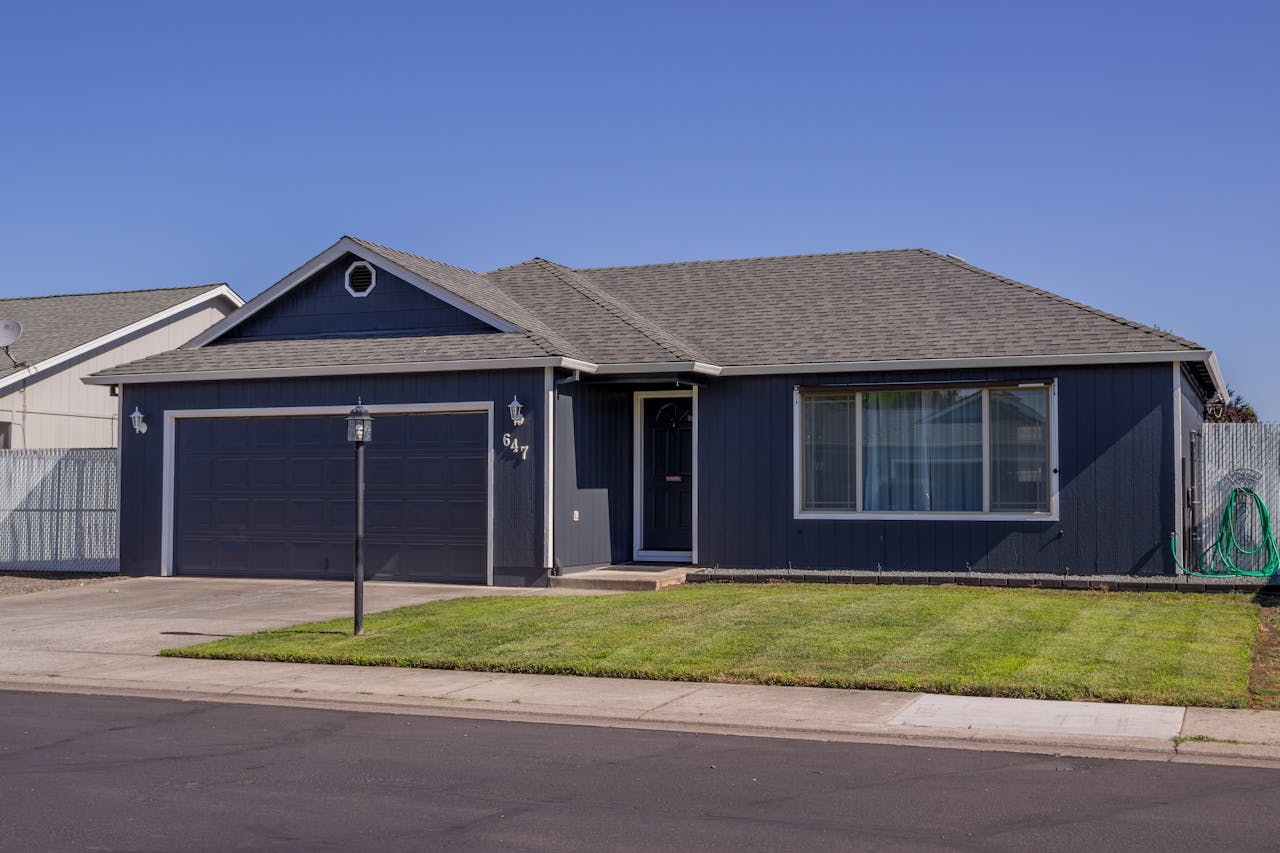
Charcoal, deep navy, and walnut brown remain in style for those seeking a hint of opulence. Dark garage doors contrast with white or pale siding and make other architectural features pop. They disguise dirt and scuff marks like a champ, which is nice for hectic families. These hues coordinate well with Craftsman, Mission, and even contemporary-style homes, providing them with a warm, timeless feel.
The Strategic Bolds
Audacious colors like red, blue, or mustard yellow are perfect for homes with style declarations. A red door on a Victorian or navy on a Cape Cod can do wonders for curb appeal and property visibility. These colors need to complement both the landscape and other aspects of the home. Use bold colors to frame special trim or stonework, but keep it all in balance. Autumn colors such as rust and wine red are nice for homes with traditional or craftsman lines.
Architectural Style Dictates Color
While the ideal garage door color enhances your home’s value, every architectural style has its own palette and approach that is best. Not every color is for every style, and matching your door color to your property’s design keeps your home feeling cohesive. Regional trends and local tastes often dictate what works best for curb appeal.
Modern Homes
Architectural Style Determines Color: Modern homes employ clean lines and crisp forms, so garage door colors should feel just as crisp. Black doors work particularly well, popping against white or gray walls and matching nicely with metal trims. Monochrome grays stylize modern exteriors, particularly when paired with blue homes or stone finishes. Materials like powder-coated steel or glass emphasize a modern feel, and high-gloss shine accentuates minimalism.
Architectural Style Controls Color A bold contrast, such as a jet black or deep charcoal garage door on a white facade, pops and attracts buyers who want contemporary style. For sunnier climates, light hues reflect heat, whereas dark colors conceal dust and impart dimension. Modern designs, on occasion, can sport trendier colors—deep blues, greens, or even two-tone doors—but the overall impact should feel sleek and understated.
Traditional Homes
Classic homes are all about warmth and familiarity. Deep reds, soft yellows, and warm browns reflect those in Early American homes, while subtle blues and creams give credence. Garage doors in these hues maintain the historic ambiance and complement brick or shingle facades. For north-facing garages, deeper colors such as forest green or navy frequently pop against the softer light and provide a feeling of depth.
Traditional houses do well with wood grain or low-luster finishes that evoke a handcrafted feel. White or gray garage doors suit colonial or Georgian styles and fit nicely with red brick or stone. Selecting classic colors appeals to the masses and maintains the integrity of the property, as it simplifies the process of selling to somebody who appreciates historic value.
Rustic Homes
Rustics depend on nature-inspired colors and textures. Earth tones, such as clay, taupe, and moss green, reflect the wood and stone of craftsman and mountain styles. Wood-look finishes are a hit, providing timber’s warmth with the longevity of newer finishes. Muted colors allow the garage door to disappear into the landscape and not fight with it.
Rustic homes, for example, often use garage doors that correspond to the stone or timber on the front of the house. Soft browns and warm grays keep it looking organic and grounded. In colder climates, dark doors pull in the sun and conceal winter filth, making them not only aesthetically pleasing but useful. Accent colors like deep green or rusty red can work if selected to complement the surrounding environment.
The Psychology Of First Impressions
First impressions are quick, mere seconds in fact, and first impressions are long-lasting. If you think about it, when you’re home buying, the curb appeal, particularly the garage door, tends to direct knee-jerk decisions. Appearance influences trust and worth in a buyer’s mind, and color is a huge component of that narrative.
- Garage door color can spark good feelings immediately. Neutral colors such as white, grey, or beige can make a room seem clean and secure, which attracts buyers. Deep blues and greens are associated with calm and balance, bringing a feeling of tranquility. Warm colors like red or yellow imply both energy and warmth, but can be a risk if too bold. Everyone doesn’t have the same taste, buyers included. The right color enables a buyer to imagine themselves in a home, to make it their home, to make it feel like home.
- Color selection is more than just fashion. It can contribute to the curb appeal, which is important in home showings. A garage door that matches or complements the house and the neighborhood at large looks maintained and intentional. This demonstrates to purchasers that the owner has been detail-oriented and diligent with maintenance. A washed-out or conflicting color may cause a potential buyer to question the home’s maintenance or worth.
- Choosing a color for your garage door is a subtle but powerful way to enhance your property’s appearance. For instance, a black or charcoal door can add a modern edge and make paler walls pop, while a wood-tone finish can cozy up a neutral facade. Coordinating the garage door with other exterior elements, such as trim or entry doors, adds cohesiveness and highlights the home’s finest attributes. This can be crucial in locations where perceptions are everything, like in bustling urban centers or cutthroat industries.
Our perception of appearance is influenced by culture and social conventions. In some venues, loud colors are fashionable, and at others they’re excessive. Consumers frequently make quick decisions by applying heuristics and what they’re accustomed to, given their experience. A garage door in a much-loved color, classic, unadorned, and just right for the neighborhood, goes a long way to a good first impression.
Maximizing Your Color ROI
A garage door, which can account for over 30 percent of a home’s front, is one of the biggest players in curb appeal. The right color does more than just style; it can actually increase your market value and draw buyers in. Color selection, durability, and finish affect more than just the look. You’ll see a return on your investment since the average garage door replacement provides a 93.3% return on investment. Homeowners need to consider the aesthetic, functional, and financial impact of each option.
Durability
- Choose UV-resistant paints and powder-coated metals to maximize your color ROI.
- Favor corrosion and weather-rated finishes like baked enamel or polyurethane.
- Select colors that hide dust, grime, and fading. Mid-tones and neutrals frequently do the trick.
- Steer clear of dark colors if you’re in a sunny climate. Dark colors can warp or fade faster.
Heavy-duty stain-resistant, like steel with baked-on finishes, look fantastic and work even better. These finishes reduce repainting and touch-ups. Earthy colors, like sage or olive, tend to camouflage light scuffs and wear, which keeps maintenance simple and can lend color value and longevity over the years.
Matte, textured finishes typically exhibit less scratching and hide surface imperfections. Classic tones—white, gray, taupe—that get cleaned less often and are more impervious to the visual effects of age. Homeowners who seek maximum durability can capture even more long-term value and a fresher face.
Finish
Top-shelf finishes, including factory-applied powder coats, increase color ROI by enhancing both aesthetics and protection. They lock out moisture and UV, which means less chance of rust or peeling. Matte finishes play nicely with contemporary architecture, quieting glare and providing a quiet allure. Glossy finishes, on the other hand, really make colors pop but may accentuate fingerprints or imperfections.
A good finish enhances color, making white bright or earth tones deep for years to come. When combined with trim or stone, finishes can provide either a seamless or bold accent depending on style. Matching the finish to the architectural detail means your garage door blends right into your home’s overall design.
Resale Appeal
- Classic neutrals: White, light gray, and taupe drive universal appeal.
- Earthy tones: Sage green, olive, and muted browns fit natural landscaping.
- Warm accents: Rust orange, mustard yellow, and deep red work for Craftsman and Mission homes.
- Two-tone: Contrasting panels or trim suit carriage and decorative doors.
All that said, most buyers want quiet, classic colors that allow them to envision their own tastes. Soft neutrals continue to see consistent market interest while greens and autumnal shades are on the rise. Matching color to buyer expectations while coordinating trim and siding makes sellers pop in saturated markets. Since broad, versatile color options enhance the likelihood of a healthy resale, the garage door is one of those upgrades that just makes sense.
How To Choose Your Color
A garage door’s color can transform a home’s curb appeal and resale value. The best option will fit with architectural style, neighborhood trends, and personal preference. This process requires both technical analysis and a touch of intuition.
- Match color to home style: Colonial, Victorian, farmhouse, Cape Cod, Craftsman.
- Use color schemes: monochromatic, analogous, or complementary.
- Consider local color trends for inspiration.
- Seek neighbor or real estate agent feedback.
- Use color swatches and samples.
- Weigh personal preference against buyer expectations.
- Study earth tones for warmth and welcome.
- Select colors that accent or coordinate with your home décor.
Test Samples
It does make a difference to try paint samples on your garage door. Observe how they appear against the house, particularly in the varying lights throughout the day. Try a few different shades, not just one, so you can notice those subtle variations.
Landscaping transforms color. Green from shrubs, brown mulch, or bright flowers can make a color look lighter or darker. Test your samples beside these elements.
Snap pictures and jot notes as you’re passing through. That way, you can measure, compare, and remember what worked. It’s far better to test with real samples than to guess from a brochure or website.
Consider Lighting
Natural and artificial light will alter the appearance of a color. A deep gray might appear crisp in direct sunlight yet lose contrast at dusk. Try samples in the morning, midday, and evening.
Artificial lights, such as porch or driveway bulbs, can cast warm or cool tones. If you have outdoor lighting, illuminate your space before you select your final color. Find out if the color still looks great after sundown.
White, gray, and black are popular choices, as these colors shift less with light changes. All colors change a little. Looking at swatches in various lights prevents surprises down the road.
View Neighborhood
See what colors are popular in your region. This makes your garage door blend in, which can increase value and keep your neighbors from complaining. Certain places have restrictions on what is permitted, so peruse any instructions.
If your street has lots of earth tones on it, a bright primary color may stick out like a sore thumb. If the neighborhood is brash, a safe color like gray won’t be noticed.
Find houses that are similar to your architecture. Cape Cods typically look lovely with white or slate blue, whereas a craftsman-style might complement olive or deep red. Ask real estate agents; they know what sells to buyers.
Colors That Could Decrease Value
We don’t want to belabor the point; simply choosing the wrong color for a garage door can reduce a home’s value and curb appeal. Other options just make the home look odd or less appealing, something that can turn off buyers and damage resale value. The table below lists common unappealing colors and the risks they pose:
Unappealing Color | Possible Impact on Value | Example of Issue |
Bright orange | Can clash with home, looks harsh | Distracts from the main facade |
Mustard yellow | Dated, does not blend well | Stands out in a bad way |
Wine red | Too bold for most exteriors | Overpowers softer color schemes |
Dark brown/black | Makes the house look smaller, hard to clean | Shows dust, absorbs too much heat |
Unmatched pastels | Looks trendy but not timeless | Fades fast, can look childish |
Neon hues | Rarely fits any home style or area | Breaks the neighborhood look |
An odd color for your garage door can make your home look strange and out of place. For instance, a neon orange door on a traditional brick home or an ebony door on a petite white cottage can drag down value. Standout or trendy colors like turquoise or lime green might be fun now, but they tend to start looking odd after a year or two.
Reflects in colors, such as deep browns or black. They cause the home to look smaller and can conceal the garage instead of complementing the home’s appearance. These colors tend to display dirt, dust, and weather marks, which translates into more maintenance and faster loss of the “new” look.
Neighborhood fit counts. A garage door color that deviates from the norm pops, but not always in a positive sense. If the majority of homes on your street are neutrally colored, an adventurous hue can actually make your home less desirable to buyers seeking cohesion. Architectural style matters, too. Whether it is a contemporary home with a door in hunter green or a traditional home with a door in electric blue, such doors could be interpreted as conflicting messages about care and style.
Conclusion
Choosing garage door colors that add the most value to homes. Deep greens and rich blues are great in a lot of places. Pristine white and sleek black remain secure choices for the majority of homes as well. Brick and stone require warmer colors, while new wood demands gentle hues. Simple rules help: match colors to the style and mood of the house. Nothing says fresh more than paint. Done right, it makes a big mark with little spend. Little things make a big difference in today’s hyper-fast market. To really see some gains, check what fits your block, your weather, and your taste. Post your color triumphs or seek advice below. Your story can assist someone else in selecting the perfect tint.
Frequently Asked Questions
1. Which Garage Door Colors Increase Home Value The Most?
White, gray, black, and beige are some of the neutral colors that increase home value. These colors attract the most buyers and match the most styles.
2. Should My Garage Door Color Match My House?
By matching or coordinating the garage door to your home’s main colors, you create a cohesive look. This adds curb appeal and increases perceived value.
3. How Does Architectural Style Affect Garage Door Color Choice?
Various architectural styles are well-suited to specific colors. For instance, traditional homes look good with classic neutrals, while modern homes can tolerate bolder shades.
4. Can A Bright Garage Door Color Decrease Home Value?
Yes. Extremely bright or uncommon colors may scare buyers off, as they might clash with the design and neighborhood.
5. How Important Is Curb Appeal In Home Value?
Curb appeal is essential. Garage door colors that increase home value the most.
6. What Should I Consider When Choosing A Garage Door Color?
Think about your home’s architecture, regional styles, and the environment. Neutral, classic colors usually provide the maximum return on investment.
7. Do Dark Garage Door Colors Require More Maintenance?
Dark colors can highlight dust, scratches, and sun fading more readily. They might need more cleaning and touch-ups.
Transform Your Home With Garage Door Design That Boosts Curb Appeal
Your garage door isn’t just a way in and out—it’s one of the first things people notice about your home. The right design can dramatically improve curb appeal, add value, and give your property the polished look it deserves.
For over 20 years, Bay Area Doors has been helping homeowners across the San Francisco Bay Area upgrade to garage doors that fit their home’s style perfectly. From sleek modern panels to timeless carriage designs, we install doors that enhance your home’s exterior and reflect your personal taste.
With options in colors, materials, windows, and decorative hardware, we’ll help you find a garage door that ties your whole property together. Our expert team makes the process simple and stress-free, delivering quality installation backed by our workmanship guarantee.
Trusted by thousands of Bay Area homeowners and backed by five-star reviews on Google, Yelp, and Nextdoor, Bay Area Doors is your local partner for stylish, lasting garage door upgrades.
Ready to boost your curb appeal? Contact Bay Area Doors today and see how the right garage door design can transform your home.

